
Tourist sites In Elías Piña
5 results
Use your location? We will centre the map on you and show how far away each place is.
Monumento Natural Cerro de San Francisco
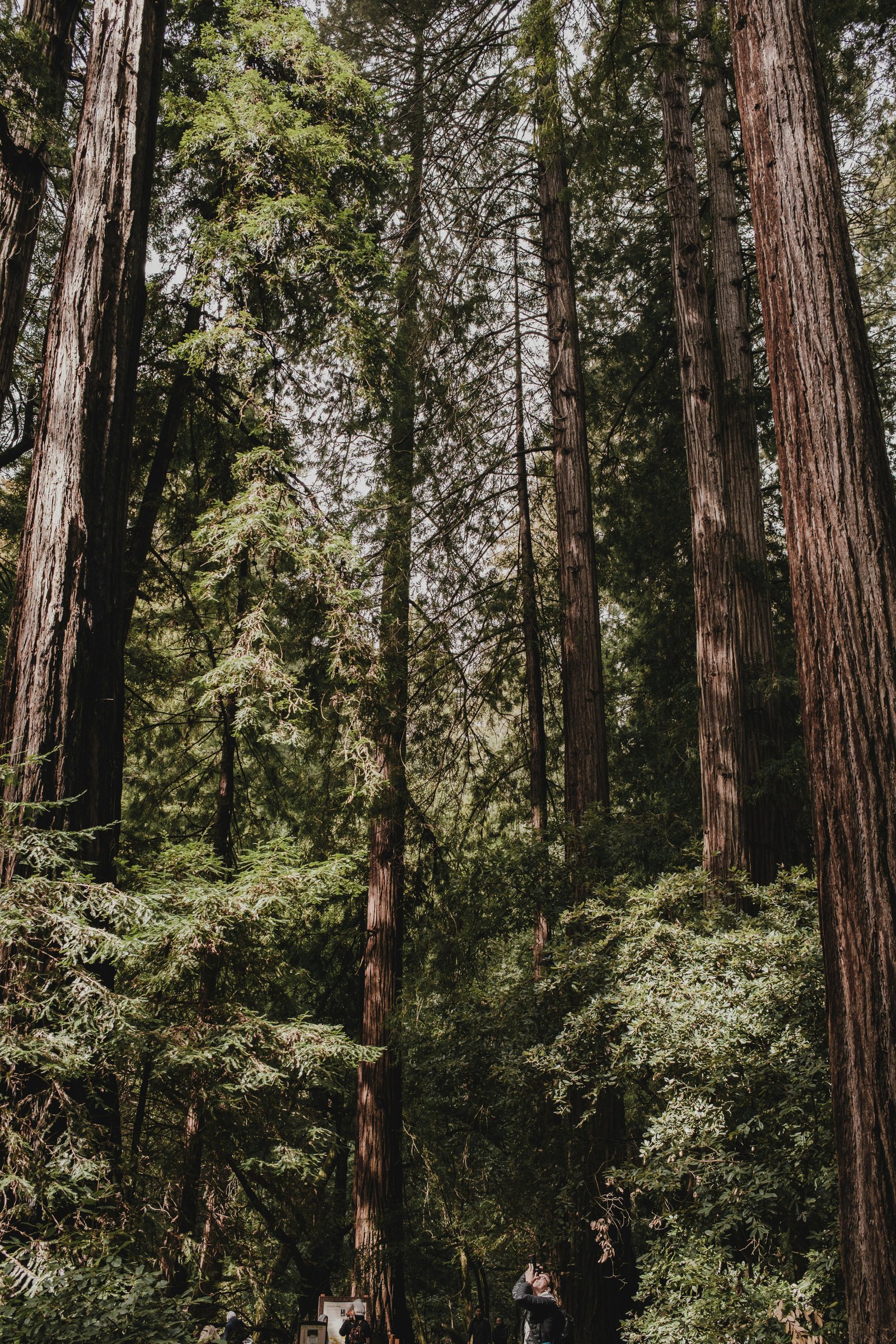
The Cerro de San Francisco Natural Monument, located in the Elías Piña province, on the southern border of the Dominican Republic, stands as a little-explored natural treasure, but of great beauty and ecological value. Declared a protected area in 2009, this hill is home to a unique cloud forest in the region, home to a rich biodiversity of flora and fauna. A Unique Ecosystem: Cerro de San Francisco is characterized by its humid and cool climate, a product of the altitude and constant cloudiness. These conditions have led to the development of a cloud forest, a unique ecosystem distinguished by its lush vegetation and high humidity. In this forest, we can find a wide variety of trees, ferns, orchids and other epiphytic plants that grow on the branches of the trees. Additionally, the forest is home to a wide variety of animals, including birds, reptiles, amphibians and mammals. A Destination for Ecotourism and Adventure: The Cerro de San Francisco Natural Monument offers visitors the opportunity to carry out various ecotourism and adventure activities. Well-marked trails lead through the cloud forest, allowing hikers to appreciate the natural beauty of the place and observe its rich flora and fauna. In addition, the hill is ideal for activities such as camping, bird watching and nature photography. Visitor Information: • Location: The Cerro de San Francisco Natural Monument is located in the Elías Piña province, about 20 kilometers south of the municipality of Comendador. • Access: You can reach the monument by vehicle from Santo Domingo (approximately 5 hours), San Juan de la Maguana (approximately 3 hours) or Comendador (approximately 30 minutes). • Admission: Admission to the monument is free. • Recommendations: Wear comfortable clothing, appropriate walking shoes, hat, sunscreen, mosquito repellent and drinking water. Tips for an Enriching Visit: o Hire a guide: It is recommended to hire a local guide to hike through the cloud forest and obtain detailed information about its flora and fauna. o Respect the environment: Do not leave garbage on the trails or damage the flora and fauna of the monument. o Be a responsible visitor: Follow the instructions of the rangers and avoid activities that could put the monument's ecosystem at risk. o Enjoy the experience: Connect with nature in its purest form, breathe fresh air and contemplate the beauty of the cloud forest. Additional Considerations for your Visit: • Permits: To carry out some activities within the monument, such as camping or conducting scientific research, it is necessary to request a special permit from the General Directorate of Biodiversity and Protected Areas. • Safety: The monument is generally safe, however, it is recommended that you take the usual precautions when traveling to any new location. • Protection against the sun: The high humidity of the cloud forest can cause sunstroke, so it is important to use sunscreen with a high protection factor.

Cueva de San Francisco de Asís
A Place of Pilgrimage and Faith: The Cave of San Francisco de Asís, located in the municipality of Bánica, Elías Piña province, Dominican Republic, is presented as a place of great religious and cultural significance for the local community and for visitors seeking a spiritual experience and connection with the history. A Sanctuary with Legend: According to legend, the cave was discovered in the 17th century by a group of hunters who took refuge in it during a storm. When they left, they found an image of Saint Francis of Assisi, which gave rise to the belief that the place was sacred. Since then, the cave has become a sanctuary for devotees of Saint Francis of Assisi, who come to pray, ask for favors and give thanks for the blessings received. A Place of Natural Beauty: The Cave of San Francisco de Asís is not only important for its religious significance, but also for its natural beauty. The cave is adorned with stalactites and stalagmites that form whimsical figures, creating a mystical and unique atmosphere. A Destination for Religious and Cultural Tourism: The Cave of San Francisco de Asís is an ideal destination for religious and cultural tourism. Visitors can take a tour of the cave, learn about its history and legends, and participate in the masses and religious activities celebrated there. In addition, the cave is located in a natural environment of great beauty, surrounded by mountains and forests, which makes it a perfect place to relax and enjoy the tranquility. Visitor Information: • Location: The Cave of San Francisco de Asís is located in the municipality of Bánica, Elías Piña province, about 20 kilometers north of Comendador, the provincial capital. • Access: You can reach the cave by vehicle from Santo Domingo (approximately 5 hours), San Juan de la Maguana (approximately 3 hours) or Comendador (approximately 30 minutes). • Entrance: Entrance to the cave is free. • Hours: The cave is open to the public every day of the week, from 8:00 am to 5:00 pm. • Recommendations: Wear comfortable clothing, appropriate walking shoes, hat, sunscreen, mosquito repellent and drinking water. Tips for an Enriching Visit: o Respect the sacred place: Maintain a calm and respectful behavior during the visit to the cave. o Dress appropriately: It is recommended to dress in decent clothing, especially when visiting the cave during masses or other religious activities. o Know the history and legends: Before visiting the cave, it is advisable to read about its history and legends to better understand its religious and cultural significance. o Enjoy the experience: Connect with faith and spirituality, admire the natural beauty of the cave and live a unique cultural experience. Additional Considerations for your Visit: • Safety: The Cave of Saint Francis of Assisi is a generally safe place, however, it is recommended to take the usual precautions when traveling to any new place. • Protection against the sun: The high humidity of the area can cause sunstroke, so it is important to use sunscreen with a high protection factor. • Respect for local customs: It is important to respect the customs and traditions of the local community during your visit to the cave.

Loma Nalga de Maco
The Nalga de Maco National Park, located in the Elías Piña province, in the southwest region of the Dominican Republic, stands as a little-explored natural treasure, but of great beauty and ecological value. Spanning 278 square kilometers, the park is home to a rich biodiversity of flora and fauna, including cloud forests, rivers, waterfalls and imposing mountains. A Unique Ecosystem: The Nalga de Maco National Park is characterized by its cool and humid climate, a product of the altitude and constant cloud cover. These conditions have led to the development of a cloud forest, a unique ecosystem distinguished by its lush vegetation and high humidity. In this forest, we can find a wide variety of trees, ferns, orchids and other epiphytic plants that grow on the branches of the trees. Additionally, the park is home to a wide variety of animals, including birds, reptiles, amphibians and mammals. Among the most representative species are the bighorn pig, the barrancolí parrot, the solenodon and the hutía. A Destination for Adventure and Ecotourism: The Nalga de Maco National Park offers visitors the opportunity to do various adventure and ecotourism activities. Well-marked trails lead through the cloud forest, allowing hikers to appreciate the natural beauty of the place and observe its rich flora and fauna. In addition, the park is ideal for activities such as camping, bird watching, nature photography and mountaineering. Visitor Information: • Location: The Nalga de Maco National Park is located in the Elías Piña province, about 20 kilometers north of the municipality of Comendador. • Access: You can reach the park by vehicle from Santo Domingo (approximately 5 hours), San Juan de la Maguana (approximately 3 hours) or Comendador (approximately 30 minutes). • Entrance: Entrance to the park costs RD$100 per person. • Recommendations: Wear comfortable clothing, appropriate walking shoes, hat, sunscreen, mosquito repellent and drinking water. Tips for an Enriching Visit: o Hire a guide: It is recommended to hire a local guide to hike through the cloud forest and obtain detailed information about its flora and fauna. o Respect the environment: Do not leave garbage on the trails or damage the flora and fauna of the park. o Be a responsible visitor: Follow the instructions of the rangers and avoid activities that could put the park's ecosystem at risk. o Enjoy the experience: Connect with nature in its purest form, breathe fresh air and contemplate the beauty of the cloud forest. Additional Considerations for your Visit: • Permits: To carry out some activities within the park, such as camping or conducting scientific research, it is necessary to request a special permit from the General Directorate of Biodiversity and Protected Areas. • Safety: The park is generally safe, however, it is recommended that you take the usual precautions when traveling to any new location. • Protection against the sun: The high humidity of the cloud forest can cause sunstroke, so it is important to use sunscreen with a high protection factor.
La Cabeza del Río
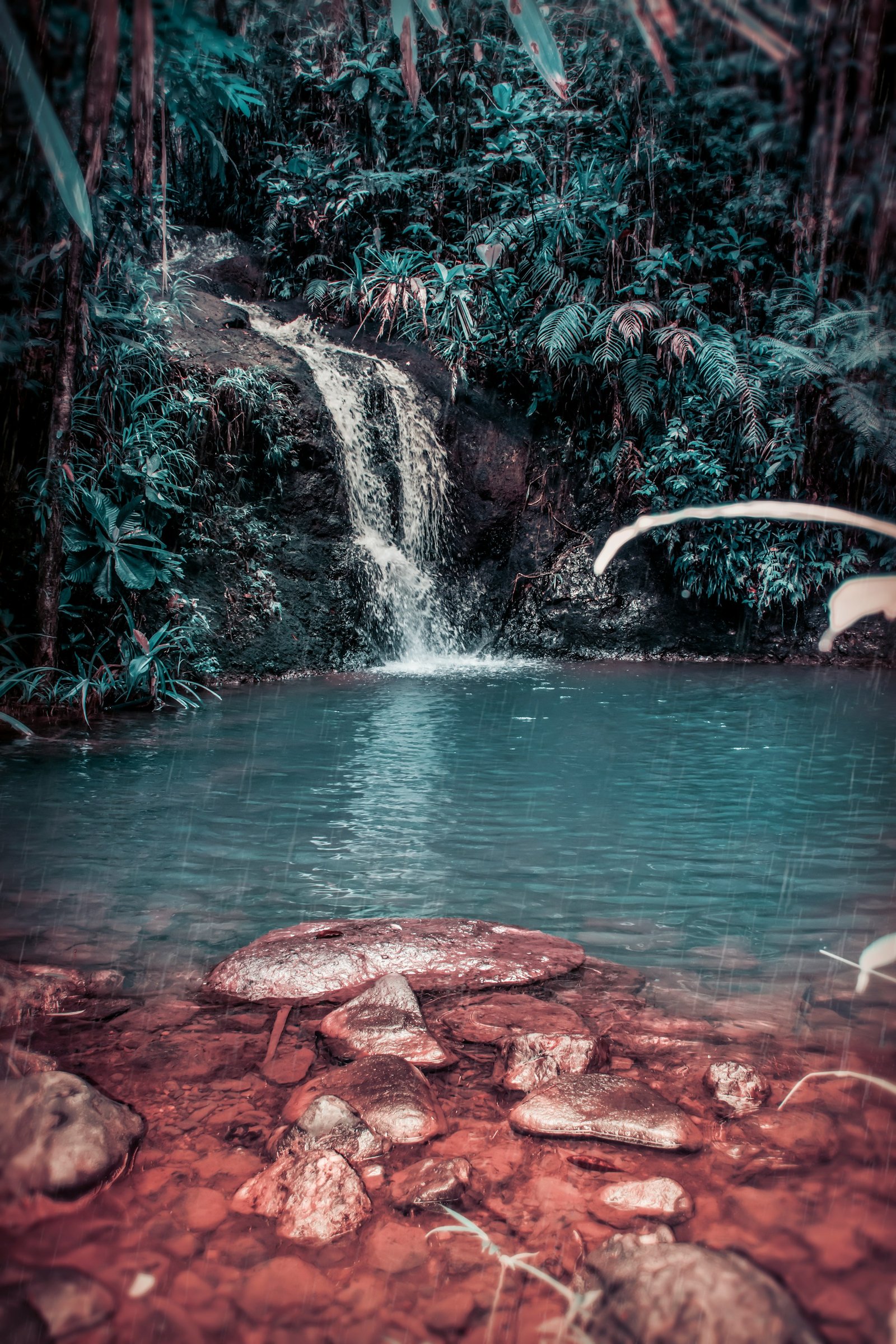
La Cabeza del Río, located in the municipality of Hondo Valle, Elías Piña province, on the southern border of the Dominican Republic, is presented as a natural oasis of great beauty and tourist attraction. Known for its crystal-clear waters and lush natural surroundings, this place offers visitors a unique experience of adventure and relaxation. A Refuge for Nature Lovers: La Cabeza del Río is an ideal place for nature lovers. The river that gives it its name offers the possibility of cooling off in its crystal-clear waters, swimming in its natural pools and enjoying the tranquility of the surroundings. Additionally, visitors can hike the trails surrounding the river, observe the local flora and fauna, and enjoy the beauty of the landscape. A Destination for Adventure and Relaxation: La Cabeza del Río offers visitors the opportunity to do various adventure and relaxing activities. The more adventurous can go hiking, rock climbing or mountain biking. Those looking for a more relaxing experience can enjoy a swim in the river, sunbathe on its banks or simply contemplate the beauty of the landscape. Visitor Information: • Location: La Cabeza del Río is located in the municipality of Hondo Valle, Elías Piña province, about 20 kilometers north of Comendador, the provincial capital. • Access: La Cabeza del Río can be reached by vehicle from Santo Domingo (approximately 5 hours), San Juan de la Maguana (approximately 3 hours) or Comendador (approximately 30 minutes). • Entry: Entry to La Cabeza del Río is free. • Recommendations: Wear comfortable clothing, appropriate walking shoes, hat, sunscreen, mosquito repellent and drinking water. Tips for an Enriching Visit: o Hire a guide: It is recommended to hire a local guide to hike the trails and obtain detailed information about the flora and fauna of the area. o Respect the environment: Do not leave garbage in the place or damage the flora and fauna. o Be a responsible visitor: Follow the instructions of the locals and avoid activities that could put the local ecosystem at risk. o Enjoy the experience: Connect with nature in its purest form, breathe fresh air and contemplate the beauty of the landscape. Additional Considerations for your Visit: • Safety: La Cabeza del Río is a generally safe place, however, it is recommended to take the usual precautions when traveling to any new location. • Protection against the sun: The high humidity of the area can cause sunstroke, so it is important to use sunscreen with a high protection factor. • Availability of services: It is important to keep in mind that in La Cabeza del Río there are not many services available, so it is recommended to bring everything you need to spend the day.
La Cueva de Rancho De la Guardia.
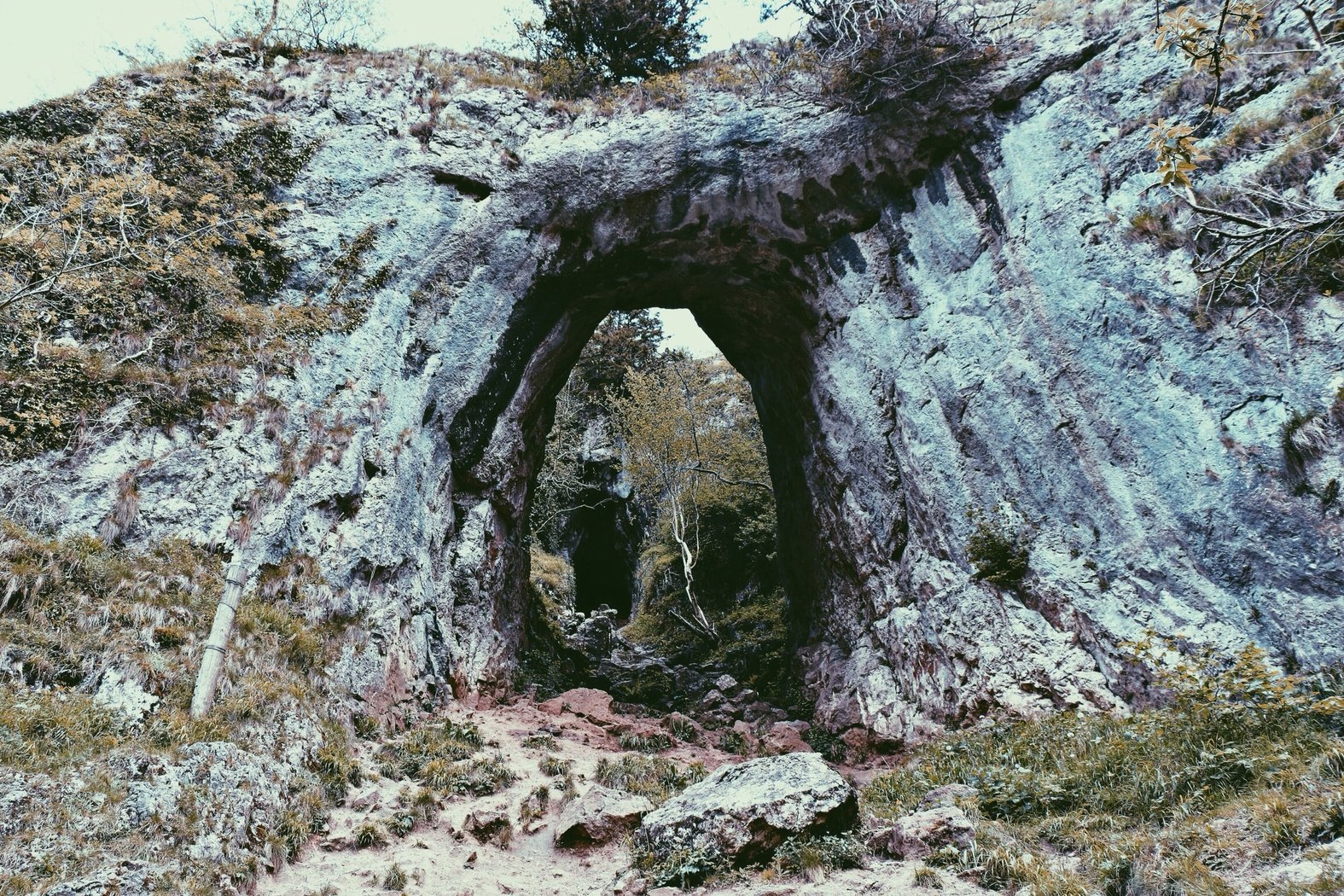
The Rancho de la Guardia Cave, located in the municipal district of the same name in the Elías Piña province, Dominican Republic, is presented as a place of great tourist and cultural attraction. This cave, little explored and known by locals, keeps secrets and legends that make it a fascinating destination for lovers of adventure and history.<br /> <br /> A Journey to the Interior of the Earth:<br /> The Rancho de la Guardia Cave offers visitors a journey into the interior of the earth, where they can discover stalactites and stalagmites of whimsical shapes, which adorn the walls and ceiling of the cave. In addition, the cave is home to a wide variety of fauna, including bats, spiders and other small animals that live in the dark.<br /> <br /> A Place Full of Legends:<br /> The Rancho de la Guardia Cave is shrouded in a halo of mystery and legends. Locals tell stories about spirits that inhabit the cave and about treasures hidden inside. These legends add a touch of excitement and charm to the experience of visiting the cave.<br /> <br /> A Destination for Adventurers:<br /> The Rancho de la Guardia Cave is an ideal destination for adventurers looking to explore new and unknown places. The cave is not equipped for tourism, so it is necessary to have adequate equipment to carry out the exploration, such as flashlights, comfortable shoes and appropriate clothing.<br /> <br /> Visitor Information:<br /> • Location: The Rancho de la Guardia Cave is located in the municipal district of Rancho de la Guardia, Elías Piña province, about 20 kilometers north of Comendador, the provincial capital.<br /> • Access: You can reach the cave by vehicle from Santo Domingo (approximately 5 hours), San Juan de la Maguana (approximately 3 hours) or Comendador (approximately 30 minutes).<br /> • Entrance: Entry to the cave is free.<br /> • Recommendations: Wear comfortable clothing, appropriate walking shoes, flashlight, hat, sunscreen, mosquito repellent and drinking water.<br /> <br /> <br /> <br /> Tips for an Enriching Visit:<br /> o Be a responsible visitor: Do not leave garbage in the cave or damage its natural environment.<br /> o Respect local legends and traditions: The cave is shrouded in a halo of mystery and legends, it is important to respect the beliefs and traditions of the locals.<br /> o Explore with caution: The cave is not suitable for tourism, it is important to explore with caution and use appropriate equipment.<br /> o Enjoy the experience: Connect with nature in its purest form, discover the beauty of the cave and live an unforgettable adventure.<br /> <br /> Additional Considerations for your Visit:<br /> • Safety: The Rancho de la Guardia Cave is a generally safe place, however, it is recommended to take the usual precautions when traveling to any new place.<br /> • Protection against the sun: The high humidity of the area can cause sunstroke, so it is important to use sunscreen with a high protection factor.<br /> • Availability of services: It is important to keep in mind that in Rancho de la Guardia there are not many services available, so it is recommended to bring everything you need to spend the day.
The best Tourist sites In Elías Piña
Elías Piña, a province located on the southwestern border of the Dominican Republic, is a charming destination that offers a unique combination of stunning natural landscapes, vibrant culture and Dominican hospitality. With rich ethnic diversity and a fascinating cultural heritage, Elías Piña invites visitors to discover an authentic and underexplored side of the Dominican Republic.
Picturesque mountains and landscapes: Embark on exciting adventures exploring the picturesque mountains and landscapes of Elías Piña. From the heights of the Sierra de Neiba National Park to the stunning views of the Cordillera Central, this province offers a variety of opportunities for hiking, bird watching, and enjoying the unspoilt nature of the Caribbean.
Culture and tradition: Immerse yourself in the rich Dominican culture by exploring the towns and communities of Elías Piña. Meet the local people, with their genuine kindness and hospitality, and discover the musical traditions, dances and festivals that celebrate the region's unique identity. Visit the Comendador Community Museum to learn about the history and heritage of Elías Piña and his people.
Dominican gastronomy: Delight in delicious Dominican cuisine by trying traditional dishes such as mangu, sancocho and tostones. Explore local markets and soup kitchens to discover a wide variety of authentic flavors and enjoy home-cooked cuisine prepared with fresh, local ingredients.