
Tourist sites In San Juan
32 results · 1 / 4
Use your location? We will centre the map on you and show how far away each place is.

Parador Fotografico Vallejuelo
📸✨ Vallejuelo's photographic hostel: a picturesque corner in the mountain heart of San Juan 🗺️ Location and access 📍 Municipality: Vallejuelo 🌄 Province: San Juan, Dominican Republic 🚗 Access: The hostel is just at the entrance of the municipality of Vallejuelo, on the main road that connects with the Cercado and other points of the interior. It can be reached in a private vehicle or by public transport from San Juan de la Maguana taking routes to the deep south. 🅿️ Parking: informal nearby spaces on the edge of the road. 📶 Mobile connectivity: moderate 🌄 Destination description The Vallejuelo's photographic hostel is a colorful structure with giant letters that form the name of the municipality, ideal for photographs and to highlight local pride. Surrounded by the mountains of the central mountain range, this site offers an excellent starting point for visitors who want to learn more about this agricultural region, remote and full of natural beauty. The hostel is not only a space to capture visual memories, but also an invitation to explore one of the less known municipalities in the south, with mountain landscapes, hidden rivers, hospital communities and a rich peasant identity. 🔍 Details about destiny 🅰️ Type: Photographic hostel / urban monument 📸 Design: Colorful letters "Vallejuelo" with natural mountain background 🌿 Environment: Rural area with view of agricultural valleys and mountains 🚧 Conditions: Good structural condition, although it lacks perimeter protection and rest areas 🥾 Recommended activities • 📸 Take photos with the welcome sign • 🚶♂️ Brief walk around the municipality • 🗺️ Use it as a starting point to explore other attractions in the fence, Las Matas de Farfán and Mountain Agricultural Areas • 🧑🌾 Connect with local communities and know your rural lifestyle 📍 close places of interest • 🏞️ Rural mountain routes to the fence • 🛤️ Community trails to agricultural areas • 💧 Small rivers that cross the Lomas del Sur Deep • 🏔️ Central mountain range views from different points of the road ⚠️ Useful tips 🚶 The hostel is very close to the road, so it is recommended caution when parking or walking around. 🌞 Visit it during the day for better photos and greater security. 📱 Take your cell phone or camera loaded: the natural background causes the photos to come out spectacular. 💬 Take the opportunity to talk to places that are usually in the surroundings, many can tell interesting stories of the town. 🍽️ There are no direct tourist services or services in the hostel, but you can find full and small businesses in the center of Vallejuelo. 💎 What makes the Vallejuelo photographic hostel unique? Its charm lies in the authenticity of its surroundings: it is not a typical urban hostel, but a local identity symbol in the midst of an imposing mountainous landscape. It represents the quiet, hardworking and resilient voice of a community that, although away from the mass tourist foci, offers a warm and sincere welcome to the visitor. Stopping here is not only an opportunity for a photo, but to stop and look at a town that lives in harmony with their land.
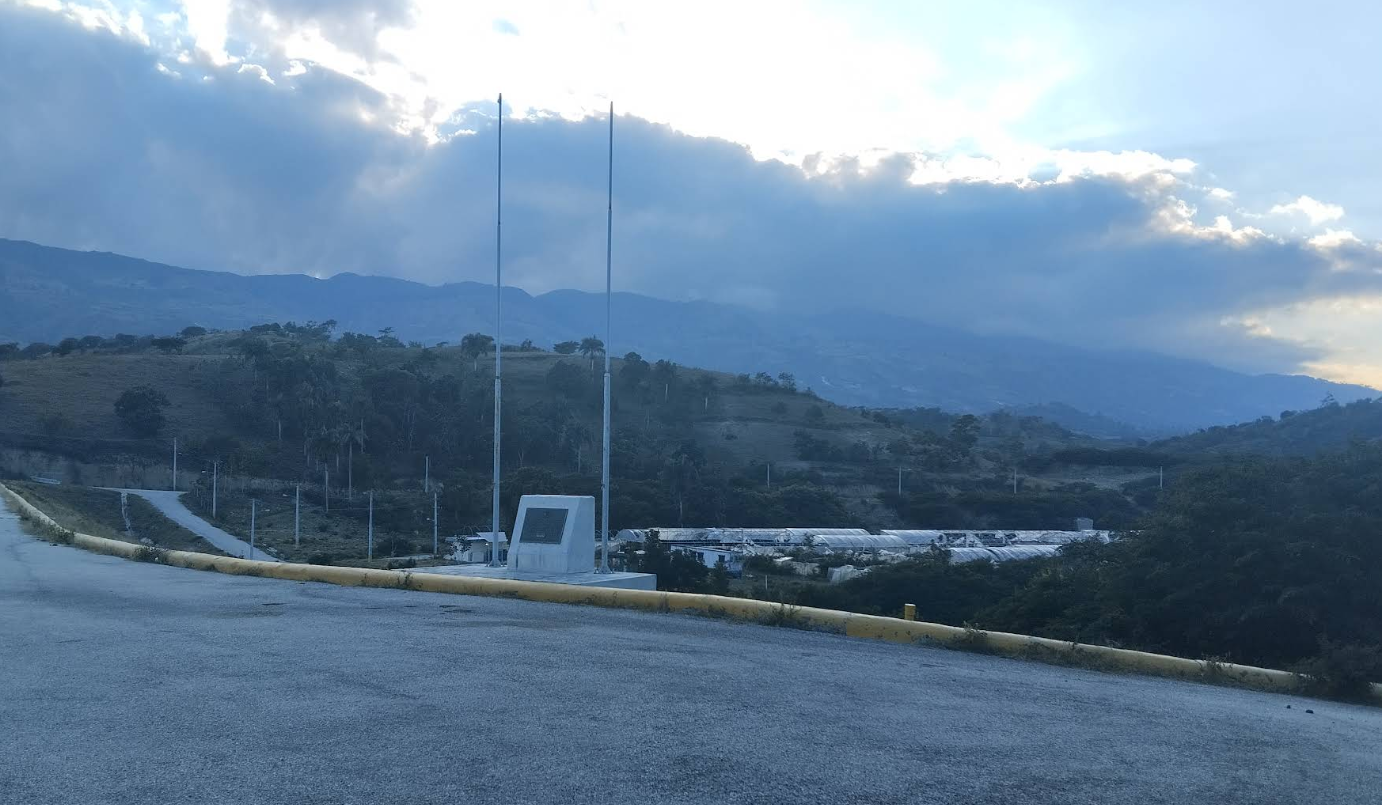
Presa Las Dos Bocas
💧🌄 The two mouths: nature, calm and spectacular views in San Juan 🗺️ Location and access 📍 Locality: between the municipalities of Las Matas de Farfán and the Cercado 🌄 Province: San Juan, Dominican Republic 🚗 Access: From Las Matas de Farfán, take the road to the Cercado. The dam is located in a mountainous environment to several kilometers of urban areas, with access by rural roads that may require high vehicles or 4x4, especially in rainy season. 📶 Mobile coverage: limited in the direct area of the dam 🌊 Destination description The two mouths is a hydraulic structure surrounded by mountains, forested areas and cultivation valleys that offers a visually shocking environment for visitors who enjoy natural destinations, quiet and little intervened. Although it has not been developed as a formal tourist destination, its scenic beauty and its remote atmosphere make it an interesting place for ecotourism lovers, landscape photography and those who seek a getaway of total disconnection. Despite its low profile in traditional tourist circuits, this dam has begun to attract the attention of local visitors and explorers from rural areas, thanks to its calm waters, open views and the isolation it offers. 🔍 Details about destiny 🅰️ Type: Water body / hydraulic infrastructure 🏞️ Environment: mountainous areas with semi -arid vegetation and small forests 🚧 Conditions: It does not have developed tourist infrastructure 🔒 Free access: yes, although without vigilance or official control 🥾 Recommended activities • 📸 Landscape photography of reservoir and mountains • 🧘♂️ Rest moments in silence and tranquility • 🥾 Soft walks around the dam • 🦅 Observation of Occasional Wildlife and Wildlife • 🎒 Picnics (with previous preparation, since there are no services in the place) 📍 close places of interest • 🌿 Rural areas of El Cercado and Las Matas de Farfán • ⛪ Churches and squares of the small surrounding peoples • 🧑🌾 Traditional Agricultural Communities • Small rivers and nearby streams • 🚙 Access to remote areas of the Sierra de Neiba ⚠️ Useful tips 🚗 It is recommended to visit with resistant vehicle and in company, especially if it is the first time you are going. 🧴 Take drinking water, food and bags to collect garbage. 📶 Informs someone before going, since the telephone signal is weak. 🕓 Visit day only, because there is no lighting or protection in the area. 📷 Do not forget a camera or cell phone with good capacity: the sunsets here are magical. 💡 The bathroom is not recommended in the dam for security and for not being a place conditioned for it. 💎 What makes the two mouths unique? Its greatest value is its virgin character and the level of peace it transmits. It is not a traditional tourist destination, but a hidden corner for those who seek to get away from the city, breathe pure air and reconnect with nature. The contrast between the water mirror and the surrounding mountains offers a natural postcard that remains in memory, especially at sunset. It is perfect for adventurous tourists, curious premises and explorers of the deep interior of the island.

Parque Nacional Sierra de Neiba
🏞️🌲 Sierra de Neiba Park: where the fog embraces the mountains of San Juan 🗺️ Location and access 📍 Provinces: It covers part of San Juan, Independencia, Bahoruco and Elías Piña 🌄 Outstanding Area in San Juan: Municipalities of El Cercado, Juan Santiago and High Areas of Pedro Santana 🚗 Access: From San Juan de la Maguana, you can reach the road to El Cercado or Juan Santiago, taking rural routes to the Sierra. Some internal roads require 4x4 vehicles and good planning, especially in rainy times. 📶 Mobile coverage: very limited in interior mountainous areas 🌿 Destination description The Sierra de Neiba Park is one of the most important ecological lungs in the Dominican southwest. Its mountainous terrain, largely covered by pine forests, constant fog and unique microclimates, make it a place of high value for ecotourism, scientific research and nature lovers in its purest form. Within the province of San Juan, this Sierra represents a true natural sanctuary, with areas where the human hand has barely touched. Here you can feel living nature, with paths between fog, endemic birds, crystalline streams and views that make you feel in another world. 🔍 Details about destiny 🅰️ Type: National Park / Protected Area 🌱 Dominant ecosystem: Wet mountain forest, Creole pine forest 🌡️ Climate: cool to cold, with high humidity and fog in high areas 🛖 Tourist infrastructure: scarce or void; It is a pure ecological tourism destination 🎫 Access: Free, although prior coordination with local guides or environmental staff is recommended 🥾 Recommended activities • 🌲 Ecological walks along mountainous trails • 🐦 Avistation of endemic birds such as the Emerald buzzer and the Palmera Cigua • 📸 Nature photography (especially in areas of fog and closed forests) • 🏕️ camps (in safe areas, with proper permission and preparation) • Contact with rural communities to learn about their sustainable agricultural practices 📍 close places of interest • 🏡 Rural communities such as Juan Santiago and El Cercado • ⛰️ Sierra damping zone with unofficial trails • 💧 Riachuelos and hidden springs • ⛪ Cultural traditions of the Dominican southern border ⚠️ Useful tips 🧭 Ideal hire a local guide or community accompaniment, since there is no official signage. 🌧️ Verify the weather before going: the fog can be dense and the muddy roads. 🍃 Wear comfortable, warm and waterproof clothes. 🕒 Visit at daytime schedules, and avoid exploring without company for the extension and conditions of the land. 🚫 It is not recommended to carry young children or people with reduced mobility if they are not familiar with demanding walks. 📵 Prepare yourself to disconnect: without mobile signal or services in many areas. 💎 What makes the Sierra de Neiba National Park unique? This park is one of the purest and least intervened spaces of the Dominican Republic. Its diversity of flora and fauna, added to the mystical environment that produces fog between trees, generates an incomparable sensory experience. It is a place where silence has sound, ideal for those who seek to reconnect with nature, explore new landscapes without tourist massification, and admire the ecological wealth of the country from the top of the mountains.

Río El Manguito
💧🌿 El Manguito River: A refreshing corner between mountains and greenery in San Juan 🗺️ Location and access 📍 Locality: near the municipal district of El Rosario, municipality of San Juan de la Maguana 🚗 Access: The road to El Rosario is reached from San Juan de la Maguana. Then a secondary section is taken (of land in some parts) towards the community of El Manguito. 🧭 The signaling is not official, but the area is known by the premises and can be accessed with a double traction or foot vehicle from the community. 🌊 Destination description The El Manguito river is one of the tributaries hidden in the hills and fields of southern San Juan. With fresh and clear water that descends from the mountain, it is ideal for those who seek a discreet, natural place and without massive tourist intervention. Surrounded by wild vegetation, leafy trees and small community trillos, this river is an excellent option to rest, take a quiet bath and enjoy a pure rural environment. Many visitors consider it a "secret corner" where you can relax under the shadow and hear only the murmur of water and birds. 🔍 Details about destiny 🅰️ Type: Natural River / Spa 💧 Depth level: varies between low areas (for children) and deep pools at specific points 🌳 Environment: natural, rustic, without constructed structures 🚻 Services: It does not have bathrooms, formal parking lots or restaurants in the vicinity 📶 Mobile coverage: very limited 🏖️ Recommended activities • Nado in natural pools of crystalline water • 🧺 Picnic on the shore (carry the necessary) • 📸 Rural and aquatic landscape photography • 🥾 Short walks in the area and contact with local communities • ☀️ Relaxation afternoons under the shadow 📍 close places of interest • 🏡 Community of El Rosario and El Manguito • 🧭 Rural routes towards other minor rivers and streams • ⛰️ Trillos to agricultural areas with views of the valley • 🏞️ View of the mountain relief in the southern zone of San Juan ⚠️ Useful tips 🧃 Take your own food, water and garbage bags (there are no filled close). 👟 Wear appropriate footwear to walk through land or mud ground. 🕒 Visit preferably in day hours and salt before dusk. 💬 It is a good idea to talk with local residents before exploring, as they can guide you on the best points of the river. 📵 Prepare yourself to disconnect: there is no reliable mobile coverage. 🛻 If you go by vehicle, seek one with good suspension or double traction. 💎 What makes the El Manguito unique? What distinguishes the river The sleeve is its authentic and not intervened atmosphere, ideal for those who prefer quiet destinations outside the traditional tourist circuit. In this place, beauty is in its natural simplicity: cold water down the mountain, trees that cover the sky, and the feeling of being in a secret space shared only between the visitor and nature. It is perfect to disconnect and recharge energy away from urban bustle.

Parque Caonabo
🌳 Caonabo Park - A green space in honor of the indigenous legacy 📍 Destination description Caonabo Park is an emblematic urban square located in the heart of the city of San Juan de la Maguana, dedicated to the Cacique Taíno Caonabo, an iconic figure of indigenous resistance to Spanish colonization. This park works as a rest space, meeting and contemplation for premises and visitors, combining green areas, pedestrian trails and historical monuments that pay tribute to the Taino culture. Its value lies only in its landscape aesthetics, but in its strong symbolic load as a historical memory site. The sculpture of Caonabo is the focal point of the park and a must for photos and reflection. At night, the place usually enlightens gently, giving it a quiet air ideal for night walks. 📌 Location and access Exact location: Independence Avenue, corner with Mella Street, San Juan de la Maguana, San Juan province, Dominican Republic. How to get: • 🚗 In private vehicle: from Santo Domingo, take the highway November 6 to Baní, then follow the Sánchez road to Azua and continue along the San Juan road. Once in the city, follow the signs to the urban center. The park is near the San Juan Bautista Cathedral and the Municipal Palace. • 🚌 Public transport: several bus lines from Santo Domingo or Azua arrive in San Juan. From the terminal you can take a motoconcho or walk if you are close to the center. • 🚶♂️ On foot: If you stay in the historic center, you can walk. The city is safe by day and has a friendly urban structure for the pedestrian. 🅿️ Parking: it does not have internal parking, but you can park in surrounding streets with caution. There is usually informal surveillance during the day. 🧭 Details about destiny • 🕰 Recommended schedule: Open to the 24/7 public, although it is safer and more busy during the day. • 💸 Input cost: free • 🪑 Facilities: benches, shadow trees, pedestrian trails, historical monuments, public lighting. • 👩🦽 Accessibility: partially accessible for people with reduced mobility. Some roads are concrete, but there are slopes and curbs. 🎯 Recommended activities • Take a photo next to the Caonabo statue. • Walk or rest in your green areas. • Observe Sanjuanera urban life. • Connect the visit with the San Juan Bautista cathedral, the Regional Museum of Archeology, or the Duarte Park. • Talk with premises to know the history of the park and its symbolic value. 🗺️ close places of interest • ⛪ San Juan Bautista Cathedral (at 100 m) • 🏛️ Taína Archeology Museum (at 350 m) • 🌳 Duarte Park (at 150 m) • 🛍️ Historic Center of San Juan de la Maguana (near) ⚠️ Precautions and security • 🚶♂️ Although the park is day safe, it is not recommended to stay for a long time in very advanced hours of the night. • 👀 Keep attention to your belongings if you are alone or in areas with little visibility. • 📵 It is not advisable to use the cell phone openly if there are not many people around, as a general measure of urban caution. 🛑 Danger level: 1/5 Safe space, without natural or structural risks. 💡 What makes the Caonabo Park unique? The Caonabo Park stands out for being much more than a simple public space: it is a symbol of indigenous resistance and pride, nestled in the heart of a city with great historical load. The figure of Cacique Caonabo, sculpted with force and solemnity, represents a call not to forget the roots of the Dominican people. Its strategic location makes it a key point to begin any cultural tour of San Juan de la Maguana.
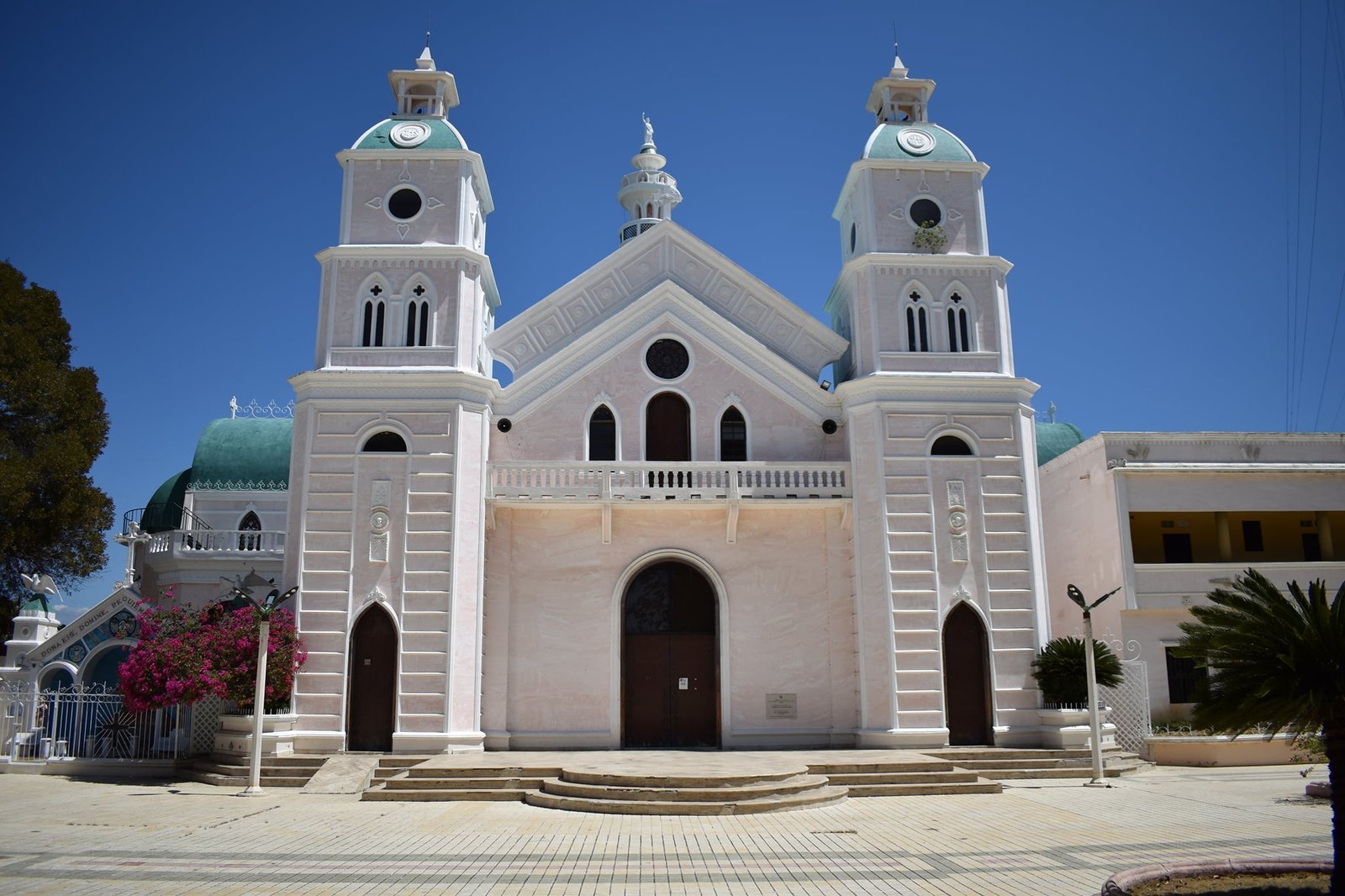
Catedral San Juan Bautista
⛪ San Juan Bautista Cathedral - A spiritual and historical symbol in the heart of the Southwest 📍 Destination description The San Juan Bautista cathedral is an architectural and spiritual jewel located in the historic center of San Juan de la Maguana. This majestic religious structure is one of the most relevant Catholic temples in the country and a mandatory stop for those who wish to know the identity and cultural evolution of the Dominican southwest. Its imposing design mixes colonial, neogotic and modern elements, with a stone facade and a tower that rises to heaven as a symbol of faith. Inside, visitors will find colorful stained glass windows, carved altars, religious fresh and an atmosphere of recollection. It is also an active space of Mass and pilgrimage, especially in the festivities of San Juan Bautista, patron of the city. 📌 Location and access Exact location: Independence Street, in front of the Duarte Park, San Juan de la Maguana, San Juan province, Dominican Republic. How to get: • 🚗 Private vehicle: from Santo Domingo, follow the highway November 6 to Azua and then the Sánchez road to San Juan. Once in the city, you just have to continue towards the historic center. • 🚌 Public transport: several routes connect with San Juan de la Maguana from cities such as Santo Domingo, Azua or Barahona. From the terminal you can take motoconchos or walk to the cathedral if you are close to the center. 🅿️ Parking: it does not have a private parking, but you can find parking in surrounding streets. The area is usually monitored during the day. 🧭 Details about destiny • 🕰 Hours: open from Monday to Sunday. Generally from 8:00 am to 6:00 pm, with masses in specific hours (site consultation). • 💸 Input cost: free. Accepted voluntary donations. • Photography: allowed with respect. Photography is not allowed during masses. • 👩🦽 Accessibility: Good. Main input adapted for people with reduced mobility. 🎯 Recommended activities • Participate in a religious mass or ceremony. • Take photos of the interior and exterior (respectfully). • Observe the stained glass and architectural details. • Know about the historical role of the Church in the foundation of the city. • Visit the nearby Duarte Park and Caonabo Park, all a short distance walking. 🗺️ close places of interest • 🌳 Duarte Park (right in front) • 🏛️ Regional Museum of Archeology (at 400 m) • 🌳 Caonabo Park (at 150 m) • 🛍️ San Juan Historic and Commercial Center (around) ⚠️ Precautions and security • 📿 Sacred place, maintain respect during visits. • 🎒 Keep your belongings vigilated if you visit on days of great influx. • 🌞 Use sunscreen if you plan to walk the surroundings on foot, since the weather can be hot during the day. 🛑 Danger level: 1/5 Safe space, without apparent structural or natural risks. 💡 What makes the San Juan Bautista cathedral unique? What distinguishes this cathedral is not only its architecture, but its deep link with the history and identity of sanjuanera. It is found in a territory that was important in the Taino culture, and around it centuries of religious traditions, features and social transformation processes have been woven. For the visitor, it represents a portal between the past and the present, between spirituality and history, all condensed in a majestic building that rises as the stone voice of a people of faith.
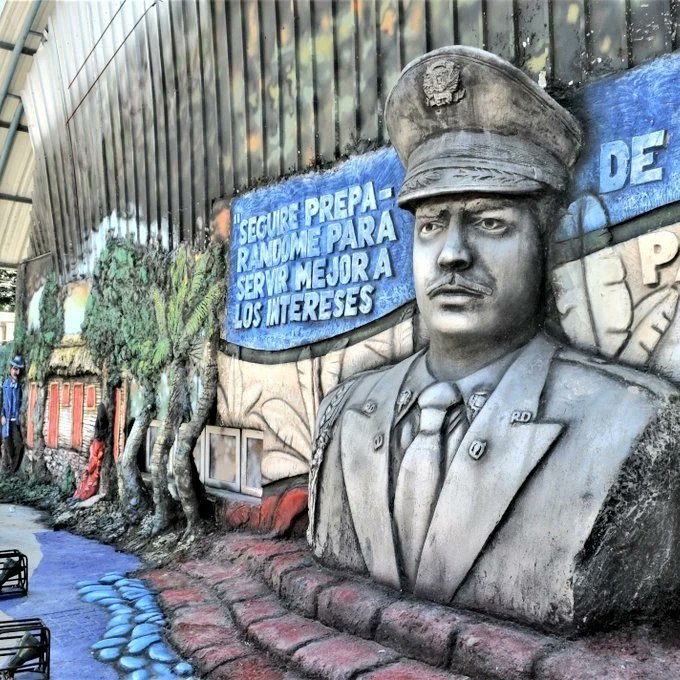
Museo Francisco Alberto Caamaño Deñó.
🏛️ Francisco Alberto Caamaño Museum Deñó - Tribute to the April hero in the heart of the south 📍 Destination description The Francisco Alberto Caamaño Museum deñó pays tribute to one of the most emblematic characters in contemporary Dominican history: Colonel Francisco Caamaño, leader of the April 1965 revolution and national resistance and sovereignty symbol. This space not only honors its figure, but also functions as a time capsule that allows the visitor to enter a turbulent, but crucial period for Dominican democracy. The museum is located in the house where Caamaño resided during part of his childhood in the Las Matas de Farfán sector, his hometown. Its simple structure keeps a modest but valuable collection that includes photographs, documents, press clippings, replicas of weapons, medals, military uniforms and personal objects that narrate both the life of the colonel and the most prominent events of the 1965 deed. It is a specially recommended place for students, lovers of history, researchers and anyone interested in understanding the fighting legacy of the Dominican people for their self -determination. 📌 Location and access Address: Las Matas de Farfán, San Juan province, Dominican Republic. How to get: • 🚗 From San Juan de la Maguana, the road is taken to the west (Sánchez or RD-44) until you reach Las Matas de Farfán. The museum is located in one of the central streets of the town, near the municipal park. • 🚌 Interurban buses arrive from Santo Domingo or San Juan to Las Matas de Farfán. From the stop you can take a motoconcho to the museum. 🅿️ There is a possibility of informal parking near the area, since it is in the urban area. 🧭 Details about destiny • 🕰 Hours: variable. Normally open during the week in office hours. It is recommended to coordinate previously with local authorities to ensure availability. • 💸 Input: free or with symbolic cost in some cases (accepted donations). • 👥 Guides: On some occasions, municipality staff offers guided tours or explanations about the history of the place. • Photography: allowed in designated areas. 🎯 Recommended activities • Tour the historical collection and read the documents about the constitutionalist movement. • Observe unique photographs of Caamaño during his military and revolutionary life. • Learn about your training abroad, your return to the island and its execution. • Reflect on the Dominican political context of the mid -twentieth century. 🗺️ close places of interest • 🏞️ Loma del Toro (nearby rural area with panoramic views) • ⛪ Farfán Matas Church • 🌳 Las Matas de Farfán Municipal Park • 🛍️ Small businesses and coffee shops in the center of the town ⚠️ Precautions and security • 📍 The site is in an urban area and is easy and safe access. • 🔇 Maintain respectful behavior within the museum, because it is a commemorative place. • 🔒 The museum may be closed without prior notice; It is recommended to contact the City Council of Las Matas de Farfán to confirm Opening. 🛑 Danger level: 1/5 Totally safe place for visitors of all ages. 🕊️ What makes the Francisco Alberto Caamaño Museum unique? This museum not only exposes objects, but relives the legacy of one of the greatest defenders of the Dominican Constitution. Its value lies in its location: the cradle of a hero. Visiting it is to honor the memory of a man who challenged powers for defending national sovereignty and remembering that history is not written only in the big cities, but also in the humble corners where the true leaders are born.
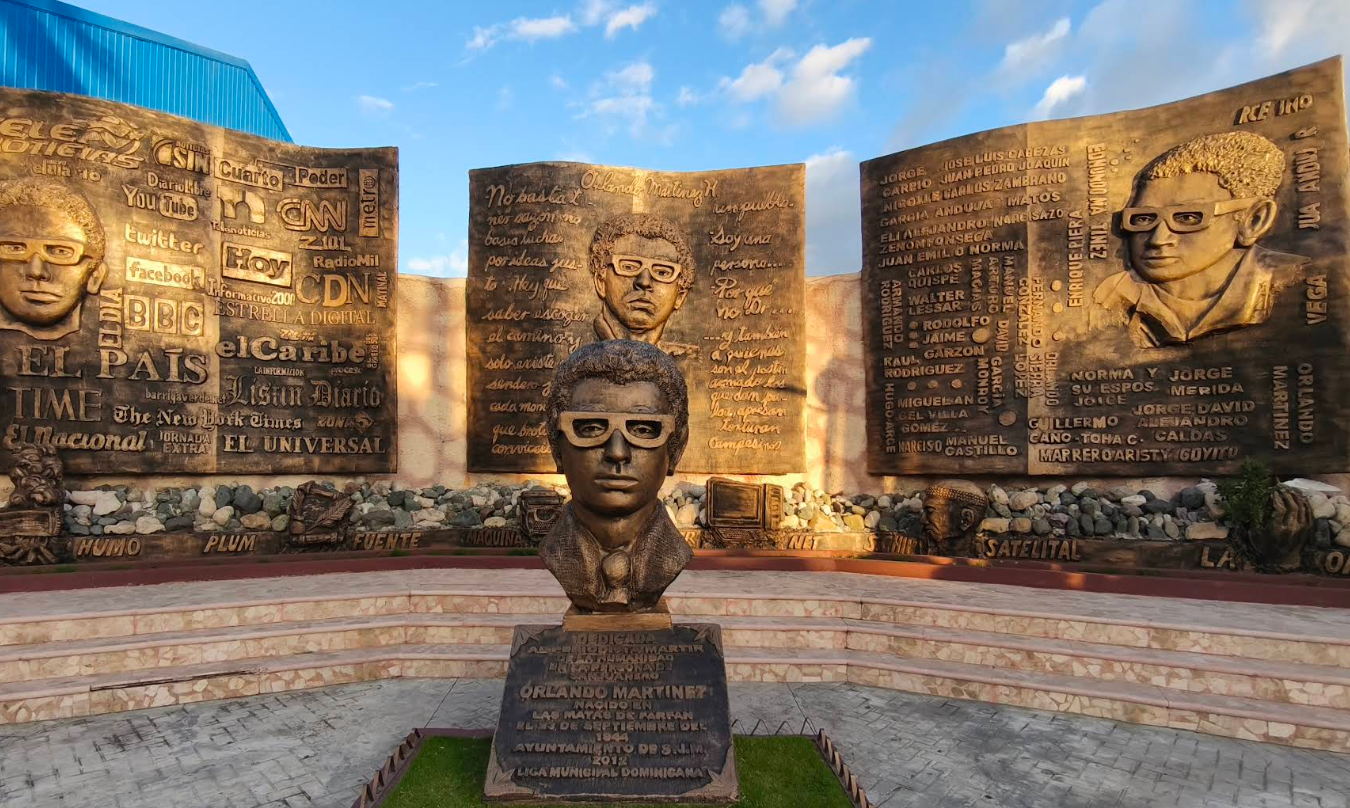
Mural Orlando Martínez
🎨 Orlando Martínez Mural - A visual tribute to the martyr of Dominican journalism 📍 Destination description The Orlando Martínez mural is a work of public art that pays tribute to one of the most emblematic journalists in modern Dominican history. Orlando Martínez Howley, born in Las Matas de Farfán, San Juan, was killed on March 17, 1975 for reporting the abuses and abuses of the dictatorship of Joaquín Balaguer. His death marked a before and after in the fight for press freedom in the Dominican Republic. The mural, located in his hometown, was made as a symbol of historical memory and social conscience. It presents an artistic representation of Orlando's face along with messages of resistance, freedom of expression and human dignity. This type of urban art allows visitors to connect with the past emotionally and immediately, especially in an era where the image has a strong evocative power. 📌 Location and access • 🗺️ Location: Main street of Las Matas de Farfán, in San Juan province. It is usually located in one of the visible walls of the urban center, near the park or educational institutions. • How to get there: from San Juan de la Maguana, the road is taken to the west (Sánchez or RD-44) in the direction of Las Matas de Farfán. Once in the town, it is easy to find the mural asking the locals or following the signs towards the center. • 🚌 Public transport available to the Farfán Matas. From there, you can walk to the mural or take a motoconcho. 🧭 Details about destiny • 🕰 Hours: being in public space, you can visit at any time of the day. • 💸 Cost: totally free. • Photography: Highly recommended. It is ideal to capture symbolic and reflective images. • ♿ Accessibility: Being at the street level, it does not present important physical barriers. 🎯 Recommended activities • Take a photo with the mural as a gesture of tribute to press freedom. • Make a reflexive stop during a historical tour of the people. • Visit other sites related to the memory of Orlando Martínez, such as the house where he lived (if identified), or chat with local residents about their history. 🗺️ close places of interest • 🏛️ Francisco Alberto Caamaño Museum (also in Las Matas de Farfán) • 🏞️ Las Matas de Farfán Municipal Park • 🛍️ small filled, coffee shops and artisans in the area ⚠️ Precautions and security • 🛑 Danger level: 1/5 This place is totally safe, located in a busy urban area and without relevant risks. • 📌 Recommendations: or avoid the hours of greatest sun if you want to take good photos (ideal at dawn or at the end of the afternoon). or always take care of your belongings when walking through public areas. ✨ What makes the mural Orlando Martínez unique? It is not just a mural, it is a powerful symbol of the struggle for truth and justice. In each color line you feel the living memory of a martyr who, with his pen, bothered the oppressors and sowed value in entire generations. For lovers of history, communication and democracy, this mural represents an essential stop when touring the Dominican south.

Arco del Triunfo de San Juan de la Maguana
🏛️ Arc of the triumph of San Juan de la Maguana San Juan Province, Dominican Republic 📍 Destination description This majestic arch - known as the Arc of the Triumph of San Juan de la Maguana - consists of two imposing pillars that mark the entrance to the city, similar in intention to the Arc de Triunfo de Paris. It represents the progress and identity of Sanjuanera, and is erected in honor of the battle of Santomé (December 22, 1855), a milestone in Dominican independence. 🗺️ Location and access • Location: in a circular square where Independencia and San Juan Bautista Street converge, in front of the Maguana Hotel, the City Council and the Palace of Justice. • How to get there: or by vehicle: driving to the center of San Juan and following signs to the Duarte Park / Municipal Building. o Public transport: buses from Santo Domingo, Azua or Baní to San Juan, then walk to the center to find the arch. 📌 Details about destiny • Inauguration of the current arch: August 2, 1944, in commemoration of the centenary of independence. • Materials: Built in reinforced concrete, replacing a previous wooden structure created in 1933. • Historical meaning: erected by local leaders, not directly by Trujillo, as a symbol of urban progress and patriotic memory. 🎯 Recommended activities • Take photographs with the arch as a background, especially at sunset. • Start a cultural tour of the buildings and monuments that surround it (Hotel Maguana, City Council, Palace of Justice and Parque Duarte). • Appreciate the history and symbology of the monument in relation to the battle of Santomé. 🗺️ close places of interest • Duarte Park • Hotel Maguana • City Council and Palace of Justice • Caonabo Park • San Juan Bautista Cathedral • Historic Center of San Juan de la Maguana ⚠️ Precautions and security • Located in a high -traffic urban area; Be careful when crossing streets or walking near the edge of the square. • Watch your belongings, especially if you visit at peak hours or you will find mass of people. • Danger level: 1/6 - Insurance for all audiences. It does not require special measures. 💡 What makes it unique? The arch of the triumph of San Juan de la Maguana is not only an architectural monument, but a powerful symbol of local identity and historical memory. Structured as an "identity emblem", perpetuates the memory of decisive battles and the struggle for freedom that defined not only a city, but a whole nation.

Letrero Punta Caña
📸 Punta Caña Brazter - A natural charm photographic hostel in San Juan Located between mountains and typical Dominican southwest vegetation, the Punta Caña sign has become one of the most visited points of the municipality of San Juan by those who seek a symbolic photo in an environment full of authenticity. It is not just a sign with colorful letters, but a meeting point between local identity, community nature and culture. 📍 Location and access This sign is located in the Punta Caña community, within the province of San Juan, about 25 minutes from the urban center of San Juan de la Maguana. The road is accessible by vehicle, although in some sections there may be irregularities if it has rained recently. • 🚗 Way type: mostly paved road, with rural sections. • 🧭 Approximate coordinates: close to the town of Punta Caña, very recognizable by the same sign. • 🛻 Ideal to visit diurnal hours for natural lighting and road safety. 🌄 Details about destiny The sign is large and presents the letters "Punta Caña" painted with bright colors that represent the warmth of the Dominican southwest. Behind the sign extend mountain landscapes that give an impressive view to the visitor, ideal for postal type captures or social networks. Although there are no tourist structures around (such as bathrooms or kiosks), the place lends itself to a brief visit, photos and moments of contemplation. 🎯 Recommended activities • 📷 Individual photographic sessions, as a couple or with a group. • 🧭 Scenic route through the nearby mountains. • 🎒 Intermediate stop during excursions to the deep south. • 🌄 Moments of disconnection and visual contact with nature. 🗺️ close places of interest • Monument El Arco San Juan de la Maguana - just over 25 minutes. • Caonabo Parque - Ideal to rest after a long route. • San Juan Bautista Cathedral - Perfect to close a cultural and religious tour. ⚠️ Useful tips • 🕒 Visit during the day, preferably between 8 am and 4 pm. • ☀️ Use sunscreen and carries water; There is no immediate shadow or nearby sales. • 📵 The cell signal can be weak in some rural areas of the road. • Be sure to have good fuel and check your vehicle before leaving, since there are no service stations in the vicinity. 🔎 Danger level: 1/5 - Very low The place is safe, without apparent direct risks, although: • 🚧 Caution when parking: there is no formal parking. Be sure not to block the vehicular passage or place yourself near curves with little visibility. • 🐍 close nature: being in rural area, it is advisable to be attentive to high vegetation by possible meetings with local fauna. 🌟 What makes the Punta Caña sign? What makes this photographic hostel special is its natural simplicity. Without pretensions or imposing tourist structures, this sign connects the visitor with the authenticity of the Dominican south. It is a visual pause in the middle of the road, a symbolic point where the traveler leaves testimony of having reached a land rich in history, culture and human heat.
Showing 1 to 10 of 32 results
The best Tourist sites In San Juan
✅ Introductory file
• 📍 Location: Southwest Region (El Valle Region)
• 👥 Estimated population: around 240,000 inhabitants
• 🏙️ Main municipalities: San Juan de la Maguana (header), Bohechío, Las Matas de Farfán, Vallejuelo, El Cercado, Juan de Herrera
• Currency: Dominican weight (DOP)
🌿 Tourism: natural beauties and unforgettable experiences
San Juan offers direct contact with the majesty of the central mountain range, ideal for ecotourism, hiking, waterfalls, natural spas and an indigenous and colonial history deeply rooted. It is a little exploited tourist destination, which makes it a perfect option for travelers looking for authenticity, silence and unprofitable landscapes.
🏞️ Landscapes high: mountains, valleys and postcards rivers
The province is surrounded by imposing mountains such as the Sierra de Neiba and the Central Cordillera, with the San Juan Valley as a central axis. To this are added rivers such as the South Yaque and natural spas that provide options to escape heat and connect with nature.
🚵♂️ Adventures and activities for active visitor
• Hiking and camps in areas such as La Pelona and Pico Duarte (access from the south)
• 4x4 routes by mountainous communities
• Visit to indigenous historical centers and patriotic monuments
• Rivers, jumps and crystalline pools in Las Matas de Farfán and Bohechío
🍲 Local gastronomy: flavors that define the region
The cuisine of San Juan mixes the native to the Creole. Among its typical dishes are Chenchen with goat, the white Chenchén with coconut milk, the artisanal sausage locrio and Creole sweets. In addition, they stand out for their beans and corn production.
🎭 Culture, History and Living Traditions
• Indigenous taína influence in rock art and legends.
• Hogar of the Anacaona Cacica, a key historical figure in the Taína resistance.
• Patronage parties, cultural encounters, and a symbolic relationship with national folklore.
🌤️ Geography and climate: a natural paradise all year
San Juan combines dry climate areas in its valleys with areas of temperate and fresh climate in the mountain. It is a province rich in biodiversity and one of the country's ecological lungs.
🏨 Accommodation: Where to stay?
Although its tourist infrastructure is modest, it has:
• Economic hotels and family pensions
• Villas in rural areas for EcoAntura
• Rustic accommodations on hiking trails
🛍️ Commercial offer and local services
• Artisanal stores, supermarkets, popular markets and local guide services in areas such as San Juan de la Maguana and Las Matas de Farfán.
• Production of indigenous crafts, hats, fabrics and traditional agricultural products.
🌃 Night and leisure life: options beyond the day (apply limitedly)
Night life is quiet, with some local bars, popular colmadones and events during patron saint parties. In the provincial capital there are recreational centers with family environment.
📌 iconic places and local recommendations
• Central Park of San Juan de la Maguana
• Anacaona monument
• San Juan Bautista Cathedral
• South Yaque River
• Jengibre jump
• Duarte Pico (by South Route)
🧭 Useful tips for your visit
• Take comfortable footwear for natural exploration
• 4x4 transport to access mountainous or rural areas
• Constant hydration and sun protection
• In the rainy season, consult the state of rural roads
• Local guide on extensive ecological routes is recommended
💚 Why visit San Juan? Reasons that conquer the traveler
• Perfect to disconnect from urban noise and rediscover the beauty of the essential
• Ideal for explorers, nature photographers, historians and lovers of deep Dominican culture
• An opportunity to connect with Taína history and enjoy the authentic hospitality of its people
🌀 Curiosities and little known aspects
• The municipality of San Juan de la Maguana was one of the most important cities in the Cacicazgo de Jaragua
• The name "Maguana" means "big earth" in the taína language
• Some archaeologists believe that the area has one of the oldest indigenous settlements in the Caribbean