
Tourist sites In La Vega
23 results · 1 / 3
Use your location? We will centre the map on you and show how far away each place is.
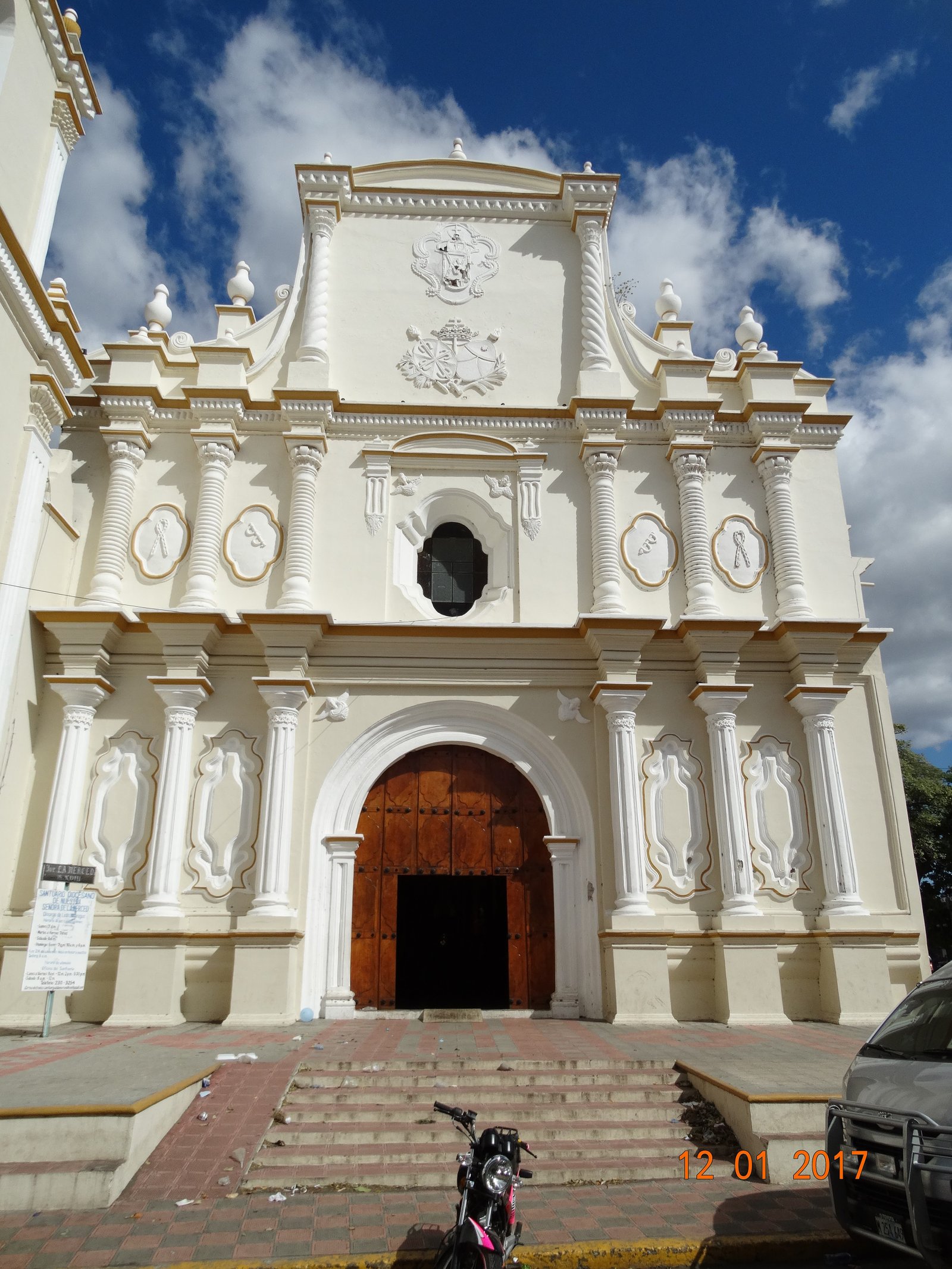
Santuario Nacional Nuestra Señora De Las Mercedes
Nuestra Señora de las Mercedes National Sanctuary: A beacon of faith and culture in La Vega The Nuestra Señora de las Mercedes National Sanctuary, located at the top of Santo Cerro in the province of La Vega, Dominican Republic, is a place of religious pilgrimage and a cultural treasure of great importance for the country. This sanctuary, revered as the spiritual home of the Virgen de las Mercedes, patron saint of the Dominican Republic, attracts thousands of faithful each year who seek to pay homage to the Virgin and enjoy the beauty and peace of the place. A little history: The National Shrine of Our Lady of Mercedes is closely linked to Dominican history and identity. According to tradition, the Virgen de las Mercedes appeared on the Santo Cerro in 1535, during a battle between the Spanish colonizers and the Taíno indigenous people. The victory of the Spanish was attributed to the divine intervention of the Virgin, which turned the Santo Cerro into a sacred and revered place. Architecture and beauty: The sanctuary itself is an impressive work of architecture that combines Gothic, Renaissance and Baroque elements. The main church, built in the 17th century, houses the venerated image of the Virgen de las Mercedes, carved in cedar wood in the 16th century. The sanctuary also features a cloister, a religious museum and a central plaza offering panoramic views of the surrounding countryside. Activities and events: The National Sanctuary of Our Lady of Mercedes is a place of constant activity throughout the year. The faithful come to the sanctuary to pray, participate in masses and processions, and seek the grace and blessing of the Virgin. Special events are also celebrated throughout the year, such as the Patron Saint Festival of the Virgen de las Mercedes on September 24, which attracts thousands of pilgrims from all over the country. Information for visitors: • Hours: The sanctuary is open daily from 6:00 a.m. to 5:00 p.m. m. to 6:00 p.m. m. • Admission: Entry to the sanctuary is free. • How to get there: The sanctuary is located about 15 kilometers from the city of La Vega. You can get there by car, bus or taxi. • Accommodation: In La Vega and surrounding communities there are several accommodation options, such as hotels, cabins and guest houses. • Tips: Wear comfortable clothes and shoes, sunscreen and bring water and snacks. Please be respectful of other visitors and the sacred site. The Nuestra Señora de las Mercedes National Sanctuary is a unique and special place that offers an enriching cultural and spiritual experience. If you are looking for a place to connect with your faith, appreciate the beauty of the architecture and enjoy the peace and tranquility, this sanctuary is an ideal destination.

Catedral de la Inmaculada Concepción
Cathedral of the Immaculate Conception: A historical and architectural icon in La Vega The Cathedral of the Immaculate Conception, located in the heart of the city of La Vega, Dominican Republic, is a masterpiece of colonial architecture and a symbol of the Catholic faith in the region. This cathedral, consecrated in 1992, is an important tourist and cultural destination that attracts visitors from all over the country and abroad. A tour of its history: The construction of the Cathedral of the Immaculate Conception began in 1512, making it one of the oldest cathedrals in the Dominican Republic. Throughout its history, it has witnessed important historical events and has undergone several renovations due to earthquakes and other natural disasters. The current cathedral, designed by the Dominican architect Pedro Mena Lajara, is the result of the last major remodeling, completed in 1992. Architecture and details: The Cathedral of the Immaculate Conception stands out for its imposing architectural style, which combines Gothic, Renaissance and Baroque elements. Its main façade, made of limestone, is adorned with niches, columns and sculptures representing saints and biblical figures. Inside, the cathedral surprises with its spaciousness, luminosity and ornamental richness. Visitors can admire its colorful stained glass windows, its elaborate wood carvings and its imposing frescoes that narrate biblical scenes. A space of faith and culture: Beyond its architectural value, the Cathedral of the Immaculate Conception is an important center of faith for the Catholic community of La Vega. Masses, baptisms, weddings and other religious events are celebrated there throughout the year. The cathedral also houses a religious museum that exhibits pieces of sacred art and historical objects related to the diocese of La Vega. Information for visitors: • Hours: The cathedral is open to the public Monday through Friday from 8:00 a.m. to 5:00 p.m. m. to 5:00 p.m. m. and on Saturdays and Sundays from 7:00 a.m. to 7:00 p.m. m. to 12:00 p.m. m. • Admission: Admission to the cathedral is free. • Location: The cathedral is located in Parque Duarte, in the center of the city of La Vega. • How to get there: You can reach the cathedral by car, bus or taxi. • Accommodation: In La Vega and surrounding communities there are several accommodation options, such as hotels, cabins and guest houses. • Tips: Wear comfortable clothes and shoes, sunscreen and bring water and snacks. Please be respectful of other visitors and the sacred site. The Cathedral of the Immaculate Conception is a must-see for any tourist visiting the province of La Vega. Its rich history, imposing architecture and atmosphere of faith and culture make it a unique and special place that deserves to be appreciated.
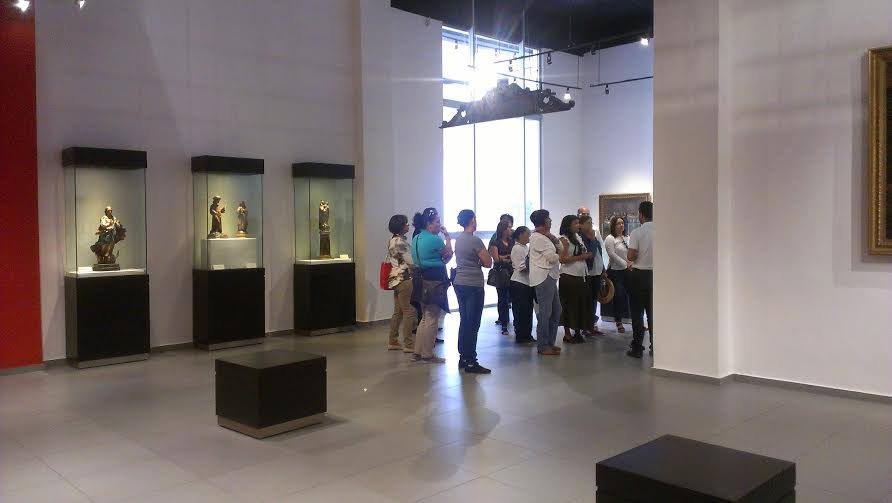
Museo Sacro
Sacred Museum of La Vega: A journey through Dominican religious history The Sacred Museum of La Vega, located in the city of La Vega, Dominican Republic, is a cultural treasure that houses a valuable collection of religious art and historical objects related to the Catholic faith in the country. This museum, founded in 1983, offers visitors a fascinating tour of the religious history of La Vega and the Dominican Republic, from colonial times to the present. Delving into religious history: By touring the rooms of the Sacred Museum, visitors embark on a journey through time, from the first years of evangelization on the island of Hispaniola to the present day. The museum's collection includes pieces of great historical and artistic value, such as: • Religious imagery: Sculptures of saints, virgins and biblical figures made of wood, plaster and other materials. • Goldsmithing: Sacred silverwork such as chalices, monstrances, censers and crosses. • Textiles: Altar cloths, chasubles, dalmatics and other liturgical ornaments. • Books and documents: Missals, breviaries, baptismal records and other historical documents related to the Catholic Church in La Vega. A museum for the whole family: The Sacred Museum of La Vega is designed to be a space of learning and enjoyment for the whole family. Children can participate in interactive activities and educational workshops that allow them to learn about the religious and cultural history of the country in a playful way. The museum also has a souvenir shop where you can purchase souvenirs and local crafts. Information for visitors: • Hours: The museum is open to the public from Tuesday to Saturday from 9:00 a.m. to 5:00 p.m. m. to 5:00 p.m. m. and on Sundays from 10:00 a.m. m. to 4:00 p.m. m. • Location: The museum is located on Sánchez Street on the corner of Professor Juan Bosch, in the center of the city of La Vega. • How to get there: You can get to the museum by car, bus or taxi. • Accommodation: In La Vega and surrounding communities there are several accommodation options, such as hotels, cabins and guest houses. • Tips: Wear comfortable clothes and shoes, sunscreen and bring water and snacks. Be respectful of the museum pieces and the place.

Parque Nacional Valle Nuevo
Valle Nuevo National Park, located in the Central Mountain Range of the Dominican Republic, is a protected area of great natural beauty and biodiversity. With an area of 910 square kilometers, the park covers part of the provinces of La Vega, Monseñor Nouel, Azua and San José de Ocoa, and is home to a wide variety of ecosystems, from cloud forests to alpine meadows. An ecological treasure: Valle Nuevo National Park is an important refuge for Dominican flora and fauna. Endemic species such as the mountain cigua, the crowned pigeon and the solenodon, an insectivorous mammal unique in the world, live in its cloud forests. The park is also home to a wide variety of orchids, bromeliads and other plants. Activities to enjoy: Valle Nuevo National Park offers visitors a wide variety of activities to enjoy nature. Among the most popular are: • Hiking: There are several trails that run through the park, with different levels of difficulty. Some of the most popular trails lead to the top of Pico Duarte, the highest mountain in the Caribbean. • Bird watching: The park is a paradise for bird watchers, with more than 250 species recorded. • Camping: There are several designated camping areas within the park. • Fishing: Trout fishing is allowed in some rivers and streams in the park. • Picnic: Enjoy a delicious picnic at one of the park's many viewpoints with impressive views of the Central mountain range. Information for visitors: • How to get there: Valle Nuevo National Park is located about two hours by car from the city of Santo Domingo. You can get there by car, bus or taxi. • Entrance: Entrance to the park costs RD$100 for adults and RD$50 for children. • When to go: The best time to visit Valle Nuevo National Park is during the dry season, which runs from December to April. During this time, the weather is cool and pleasant, with little rain. • What to bring: Comfortable clothing and shoes, sunscreen, insect repellent, water and snacks. • Tips: Be respectful of the environment, do not leave trash and follow park rules. Valle Nuevo National Park is an ideal destination for nature and adventure lovers. If you are looking for a place to escape the hustle and bustle of the city and enjoy the beauty of the mountains, this park is an excellent option.

Memorial Francisco Alberto Caamaño Deño
Francisco Alberto Caamaño Deño Memorial: A bastion of memory and the fight for freedom A beacon of memory in the Sabana Queliz community: The Francisco Alberto Caamaño Deño Memorial stands as a beacon of memory in the Sabana Queliz community, nestled in the mountains of the La Vega province. This tribute to the hero of the April 1965 Revolution not only honors his legacy, but also serves as a constant reminder of the fight for democracy and freedom in the Dominican Republic. More than a sculpture: The Memorial goes beyond a simple sculpture of Colonel Caamaño on horseback. The accompanying mural narrates in images the crucial events of the April Revolution, offering visitors a glimpse into the turbulent era that marked Dominican history. The adjacent plaza serves as a setting for commemorative events and cultural events, keeping alive the flame of memory and reflection. A space for reflection and connection: Beyond its historical value, the Francisco Alberto Caamaño Deño Monument becomes a space for reflection and connection with the past. Visitors can stroll through the plaza, admire the sculpture and mural, and read the informative texts that recount the life and work of Caamaño. It is a favorable place to honor his memory, learn about Dominican history and reflect on the importance of freedom and democracy. A destination for lovers of history and nature: The Francisco Alberto Caamaño Deño Memorial not only attracts those interested in Dominican history, but also nature lovers. Its location in the vicinity of the Valle Nuevo National Park offers the opportunity to carry out activities such as hiking, picnics and bird watching, thus combining the tribute to a national hero with the enjoyment of the natural beauty of the region. Recommendations for an enriching visit: • Plan your visit: Research the life and work of Francisco Alberto Caamaño Deño and the April Revolution before your visit. This will allow you to further appreciate the meaning of the monument and the historical context in which it is framed. • Wear comfortable clothing and footwear: The monument is located in a mountainous environment, so it is advisable to wear clothing and footwear suitable for walking. • Protect from the sun: Don't forget to bring sunscreen, a hat and sunglasses, especially if you visit the place during the hours of greatest solar intensity. • Respect the place: Be respectful of the monument, the natural environment and other visitors. Don't leave trash and follow the rules of the place. The Francisco Alberto Caamaño Deño Memorial is a cultural and historical destination that deserves to be visited by all those who seek to better understand Dominican history and pay tribute to one of its most important heroes. Don't miss the opportunity to visit this place during your trip to the La Vega province.
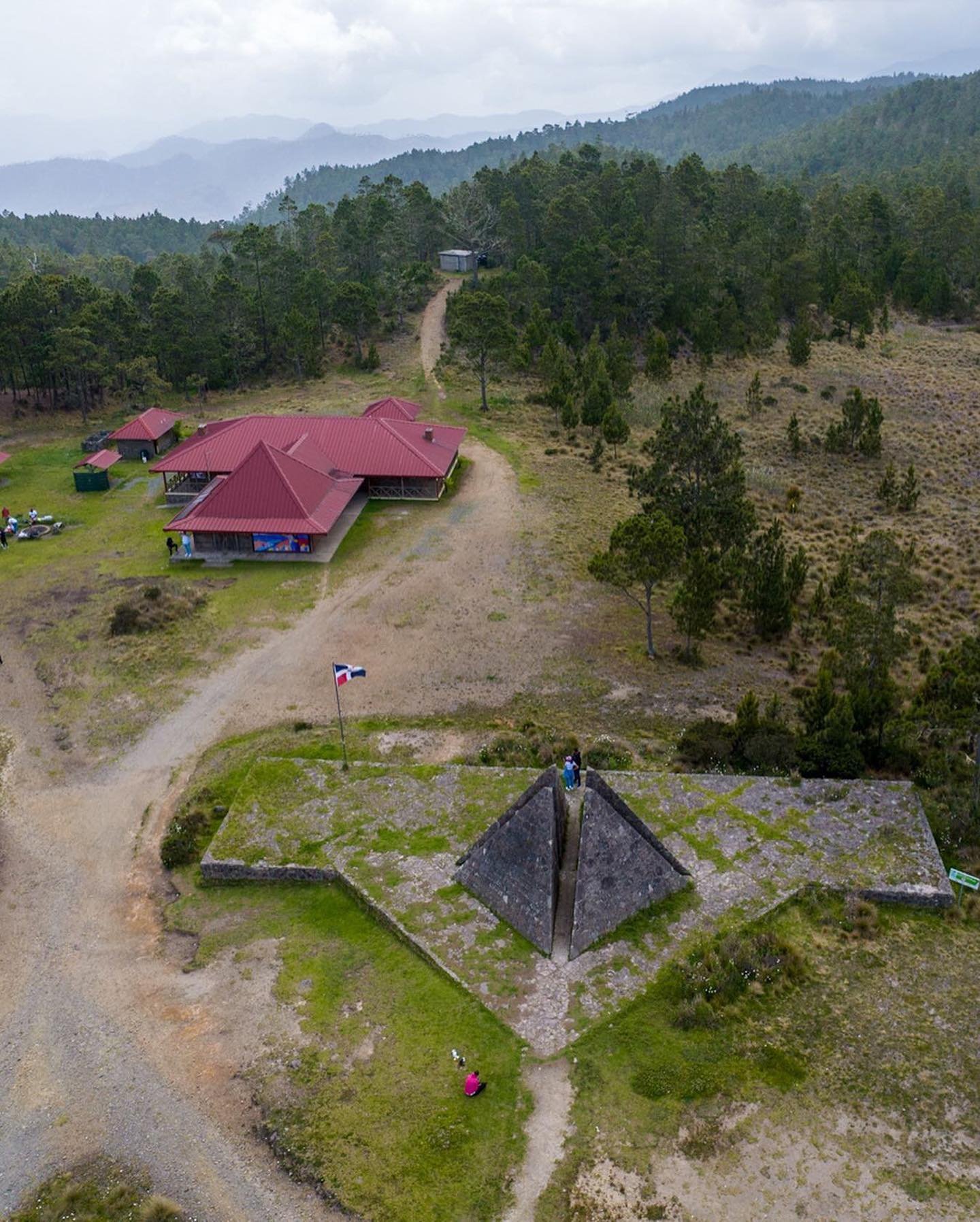
Las Pirámides de Valle Nuevo Constanza
The Pyramids of Valle Nuevo: A historical enigma in the heart of the Dominican Republic Entering the mountains of the La Vega province, in the Dominican Republic, leads to an unexpected encounter with the enigmatic Pyramids of Valle Nuevo. These stone structures, located in the Valle Nuevo National Park, have sparked the curiosity of visitors and scholars for decades, raising questions about their origin, purpose and meaning. A trip to the past: The Pyramids of Valle Nuevo, also known as the Cyclopean Pyramid, rise imposingly in the middle of the cloud forest, at a height of 2,300 meters above sea level. Its construction dates back to the 20th century, although the mystery surrounding its origin still persists. Some attribute their creation to the Tainos, pre-Columbian inhabitants of the island, while others suggest that they were the work of Spanish colonizers or even older cultures. Architecture and symbolism: The Pyramids of Valle Nuevo are made up of four carved stone pyramidal structures, arranged in the shape of a cross. Each pyramid is approximately 4 meters high and is built from limestone blocks without mortar. The symmetry and perfection of its construction, together with its location in a remote place of great natural beauty, have given rise to various theories about its meaning. Some interpret them as a religious or ceremonial symbol, while others associate them with astronomical observation or even the search for hidden treasures. A hidden treasure in nature: The Pyramids of Valle Nuevo are not only a historical enigma, but also a tourist attraction of great value. Its location in the Valle Nuevo National Park, surrounded by cloud forests, waterfalls and mountain trails, offers visitors the opportunity to combine adventure with the discovery of this mysterious legacy. Information for visitors: • How to get there: The Pyramids of Valle Nuevo are located about two hours by car from the city of La Vega. It can be reached by car, bus or taxi, although the last stretch of the road requires an all-terrain vehicle. • Recommendations: Wear comfortable clothing and shoes, sunscreen, insect repellent, water and snacks. Bring warm clothing, as the weather in the area can be cool. • Respect for the place: Be respectful of the environment, do not leave trash and follow park rules.

Piedra de Manuel
Piedra de Manuel: A rocky colossus in the province of La Vega In the heart of the Dominican Central Mountain Range, in the province of La Vega, stands a rocky colossus that defies time and imagination: the Piedra de Manuel. This geological formation of volcanic origin, estimated to be millions of years old, stands as a natural monument that invites exploration and discovery. With an estimated height of 300 meters and an approximate area of 40 hectares, Piedra de Manuel represents one of the most prominent rock formations in the Dominican Republic. Its imposing presence dominates the region's mountainous landscape, attracting the attention of visitors and scholars alike. A geological legacy: The Manuel Stone is a product of the volcanic activity that shaped the Central Mountain Range for thousands of years. Its composition, mainly of andesite, reveals the geological history of the area and offers valuable clues about the geological processes that shaped the region. A setting for adventure: Adventure lovers find in Piedra de Manuel a natural paradise to challenge their limits. Climbing its steep walls, whether through hiking routes or by rappelling, offers a unique experience that tests the physical and mental resistance of explorers. A refuge for biodiversity: The surroundings of Piedra de Manuel are home to rich biodiversity, with a wide variety of flora and fauna that turn the area into an ecosystem of great ecological value. Among the species that inhabit this environment are various endemic birds, reptiles, amphibians and a wide variety of plants adapted to the climatic conditions of the mountain. Recommendations for a responsible visit: • Access: Entrance to Manuel's Stone is free. However, it is recommended to have an all-terrain vehicle to access the place, since the last stretch of the road is not paved. • Equipment: Wear clothing and footwear appropriate for outdoor activities, sunscreen, insect repellent, water, and snacks. Bring warm clothing, as the weather in the area can be cool. • Safety: Be aware of the risks associated with climbing and other adventure activities. Plan your tour carefully and take necessary safety measures. • Conservation: Respect the environment and do not leave garbage in the place. Follow the rules established for the protection of the natural area. La Piedra de Manuel is a unique tourist destination that combines adventure, nature and history. Its imposing presence and rich natural environment make it an ideal place for those seeking memorable experiences and deep contact with the geology and biodiversity of the Dominican Republic.

Salto de Aguas Blancas
Salto de Aguas Blancas: A natural monument in the Dominican Central Mountain Range The Salto de Aguas Blancas, also known as Salto del Agua, stands as an imposing natural monument in the province of La Vega, Dominican Republic. Located within the Valle Nuevo National Park, this hydrographic landmark captivates visitors with its majesty and scenic beauty. With a free fall of 83 meters, Salto de Aguas Blancas is positioned as one of the highest waterfalls in the Antilles. Its crystalline torrent, framed by a lush cloud forest, offers an unparalleled natural spectacle. A high value ecosystem: Beyond its visual appeal, the Salto de Aguas Blancas contains an ecosystem of great ecological value. The surrounding cloud forest is home to rich biodiversity, with a wide variety of endemic flora and fauna. Among the species that inhabit this environment are various birds, reptiles, amphibians and a wide variety of plants adapted to the climatic conditions of the mountain. A cultural heritage: The area where the Salto de Aguas Blancas is located has an important cultural and historical value. Archaeological evidence suggests that the area was inhabited by the Tainos, indigenous settlers of the island of Hispaniola. In fact, even today you can find vestiges of their presence in the form of petroglyphs and ceremonial caves. Recommendations for a responsible visit: Access: Salto de Aguas Blancas is located about 15 kilometers from the city of Constanza, in the province of La Vega. You can get there by car or bus. The access road is in good condition, but an all-terrain vehicle is recommended in the rainy season. Recommended time: The best time to visit Salto de Aguas Blancas is during the dry season, which runs from December to April. During this time, the weather is cool and pleasant, and the flow of the waterfall is abundant. Equipment: Comfortable clothing and footwear, sunscreen, insect repellent, water and snacks. Bring warm clothing, as the weather in the area can be cool. Rules: Be respectful of the environment, do not leave trash and follow park rules.
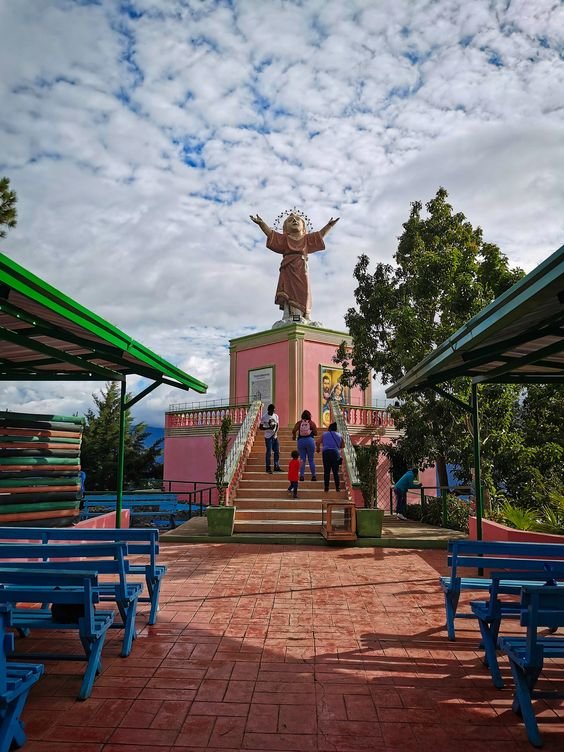
Monumento Divino Niño
Sanctuary of the Divino Niño: A reference of faith and tourism in the province of La Vega The Sanctuary of the Divino Niño, erected in the community of El Cercado, Constanza, La Vega province, Dominican Republic, has become a religious and tourist enclave of great relevance. Built in 2004, this sanctuary houses an imposing statue of the Divine Child, 26 feet high and weighing 12 tons, becoming a symbol of faith and devotion for thousands of believers. Religious importance: The Sanctuary of the Divine Child serves as an important pilgrimage destination for believers from throughout the Dominican Republic and abroad. Annually, thousands of people come to the sanctuary to pray, thank for favors or simply find a space of peace and tranquility. Faith and stories of miracles attributed to the Divine Child have turned this place into a reference of popular religiosity. Tourist attraction: Beyond its religious value, the Sanctuary of the Divine Child has positioned itself as a tourist attraction of great beauty. From the sanctuary you can see impressive panoramic views of the mountains and valleys of the Central Cordillera, offering an unparalleled natural spectacle. In addition, the natural environment surrounding the sanctuary invites you to do activities such as hiking, bird watching and picnics. Relevant information for visitors: • Access: The Sanctuary of the Divine Child is located about 20 minutes from Constanza by road. You can get there by car, bus or taxi. • Hours: The sanctuary is open to the public every day of the week from 8:00 a.m. to 5:00 p.m. m. to 6:00 p.m. m. • Entrance: Entry to the sanctuary is free. • Masses: Masses are celebrated every Sunday at 11:00 a.m. m. • Activities: Various activities can be carried out at the sanctuary, such as prayer, meditation, hiking, bird watching and picnics. • Recommendations: Wear comfortable clothing and shoes, sunscreen, insect repellent and bring water and snacks. Be respectful of the place and other visitors. The Sanctuary of the Divino Niño represents an oasis of faith, peace and natural beauty in the province of La Vega. Its religious legacy and tourist attraction make it an ideal destination for those seeking enriching and transformative experiences.

Mirador Constanza
El Mirador Constanza: A natural balcony with impressive views Located at the top of La Piliguera hill, in the province of La Vega, Dominican Republic, the Mirador Constanza stands like a natural balcony offering panoramic views of the city of Constanza and the surrounding valley. This viewpoint, inaugurated in 2019, has become a highly attractive point of tourist interest, captivating visitors with its natural beauty and the opportunity to enjoy the freshness of the mountainous climate. A visual spectacle: From the Constanza Viewpoint you can see a 360-degree view that encompasses the city of Constanza, surrounded by the imposing mountains of the Central Mountain Range. In the distance, the highest peaks in the country can be seen, such as Pico Duarte and Pico Diego de Ocampo, creating a panorama of great beauty and majesty. A space for relaxation and contemplation: The Mirador Constanza has a large outdoor space, equipped with benches and viewpoints, where visitors can sit, rest and enjoy the tranquility of the surroundings. The cool climate and constant breeze invite you to relax and contemplate nature. A place to capture memories: The beauty of the landscape seen from the Mirador Constanza makes it an ideal place to capture photographs and selfies. Sunsets, in particular, offer a unique spectacle of colors that should not be missed. Information for visitors: • How to get there: El Mirador Constanza is located about 2 kilometers from the city center of Constanza. You can get there by car, bus or taxi. • Hours: The viewpoint is open to the public every day of the week • Admission: Admission to the viewpoint is free. • Recommendations: Wear comfortable clothing and footwear, sunscreen, insect repellent and bring water and snacks. Be respectful of the place and other visitors.
Showing 1 to 10 of 23 results
The best Tourist sites In La Vega
La Vega, a province located in the north-central part of the Dominican Republic, is a charming destination that combines rich history, stunning natural landscapes, and vibrant Dominican culture. With a unique blend of tradition and modernity, La Vega offers visitors an authentic and exciting experience.
Fiesta and tradition: Immerse yourself in the vibrant Dominican culture by exploring the parties and festivals celebrated in La Vega. The province is famous for its La Vega Carnival, one of the most colorful and lively in the country, where you can enjoy parades, music, dances and extravagant costumes that celebrate the joy and diversity of Dominican culture.
Lush nature: Embark on exciting adventures exploring the natural landscapes and national parks of La Vega. Visit Armando Bermúdez National Park, where you can hike through mountains, discover hidden waterfalls, and observe a wide variety of unique flora and fauna. You can also explore the Loma Quita Espuela Scientific Reserve, which offers opportunities for bird watching and outdoor adventure.
History and heritage: Discover the history and heritage of La Vega by visiting historical sites such as the Church of Santa María, an impressive colonial church located in the heart of the city of La Vega. Additionally, you can explore local museums, where you will find artifacts and exhibits that tell the history of the region and its people.
Dominican gastronomy: Delight yourself with the delicious Dominican gastronomy by trying typical dishes such as the Dominican flag, mofongo and sancocho. Explore local restaurants and popular eateries for authentic Caribbean flavors and unique culinary experiences.