
Tourist sites In Hermanas Mirabal
9 results
Use your location? We will centre the map on you and show how far away each place is.
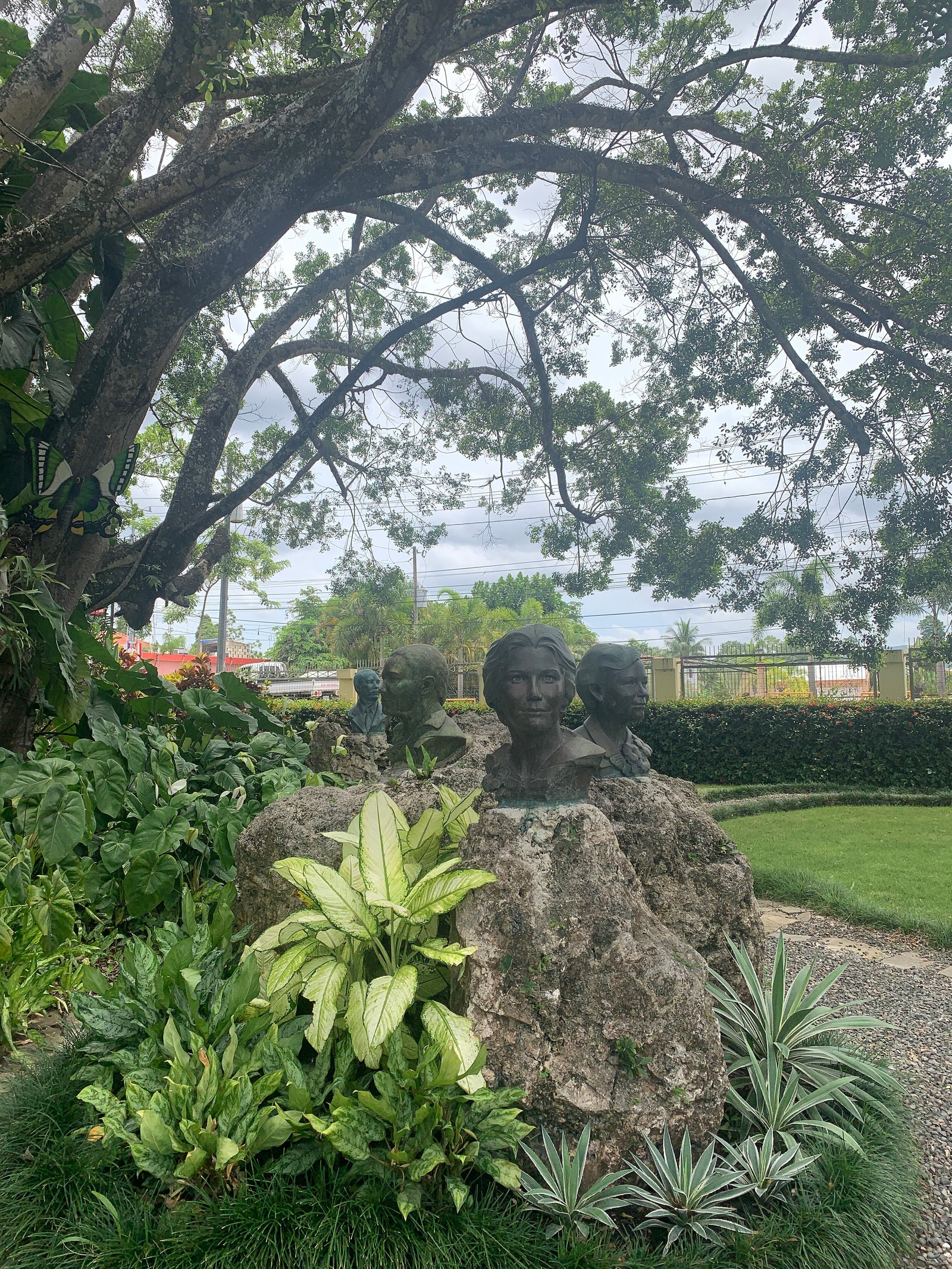
Casa Museo Hermanas Mirabal
Hermanas Mirabal House Museum: A tribute to bravery and the fight for freedom The Hermanas Mirabal House Museum, located in the Hermanas Mirabal province (formerly Salcedo) of the Dominican Republic, is a place full of history and symbolism. This former residence of the Patria sisters, Minerva and María Teresa Mirabal, today functions as a museum, paying tribute to their life, their fight for freedom and the values they represented. What makes the Hermanas Mirabal House Museum so special? • Historical heritage: The house preserves its original structure and many of the Mirabal sisters' personal objects, allowing visitors to delve into their daily life and better understand its historical context. • Tribute to bravery: The museum pays tribute to the bravery and commitment of the Mirabal sisters, who became symbols of the resistance against the dictatorship of Rafael Leónidas Trujillo. • Promotion of values: The House Museum promotes values such as justice, equality, freedom and the fight for human rights, inspiring new generations to defend their ideals. • Educational space: The museum offers a space for learning and reflection, where you can learn details about the life of the Mirabal sisters, Dominican history and the importance of the fight for freedom. What can you see and do at the Hermanas Mirabal House Museum? • Tour the house: A specialized guide accompanies visitors through the different areas of the house, explaining the history of each space and the objects found there. • View the exhibition: The museum's permanent exhibition presents photographs, documents and personal objects of the Mirabal sisters, as well as information about their historical context and their fight for freedom. • Attend events: The House Museum organizes special events, such as talks, conferences, workshops and educational activities, to promote the memory of the Mirabal sisters and the values they represented. • Buy souvenirs: In the museum store you can buy books, souvenirs and other items related to the Mirabal sisters and Dominican history. Additional Information: • Location: The Hermanas Mirabal House Museum is located on Duarte Street #26, in Salcedo, Hermanas Mirabal province. • Hours: Open Tuesday to Sunday, from 9:00 a.m. to 5:00 p.m. to 5:00 p.m. • Entrance price: RD$50 per person. • How to get there: You can get to the House Museum by car, bus or motoconcho. • Where to stay: There are several accommodation options in Salcedo, from hotels and cabins to hostels and guest houses. • What to eat: In Salcedo you can enjoy the rich Dominican cuisine in restaurants and local establishments that offer typical dishes. Tips for visiting the Hermanas Mirabal House Museum: • Plan your visit in advance: It is advisable to check opening hours and entrance fees before your visit. • Wear comfortable clothing and shoes: A visit to the House Museum involves walking and standing for a considerable amount of time. • Bring drinking water: There are no water dispensers in the House Museum, so it is advisable to bring water with you. • Respect the silence and solemnity of the place: The House Museum is a space of memory and respect, so visitors are asked to maintain appropriate behavior. • Turn off your cell phone: It is recommended to turn off cell phones or put them on silent mode during the visit to avoid disturbing other visitors. The Hermanas Mirabal House Museum is a must-see for anyone interested in Dominican history, the fight for freedom and human rights. It is a place that invites reflection, admiration and inspiration.

Museo Taino Maguá
The Taino Maguá Museum, located in the community of Ojo de Agua, Salcedo, Hermanas Mirabal province, in the Dominican Republic, is a cultural treasure that invites you to discover the fascinating history and legacy of the Taínos, the indigenous settlers who inhabited the island before of the arrival of the Europeans. What makes the Taino Maguá Museum so special? • Unique location: The museum is located in an archaeological site that has not yet been excavated, which allows visitors to have a more authentic and closer experience to the daily life of the Taínos. • Information-rich exhibition: The museum has a collection of Taíno archaeological pieces, such as ceramics, tools, figurines and jewelry, which offer a valuable perspective on their culture and way of life. • Realistic recreations: The museum presents recreations of Taíno homes, giving life to their architecture and spatial organization. • Interactive learning: The museum offers interactive activities and workshops so that visitors can experience some aspects of Taíno culture firsthand. • Commitment to the community: The museum works in collaboration with the local community to promote the preservation of the Taíno cultural heritage and encourage the sustainable development of the region. What can you see and do at the Taino Maguá Museum? • Tour the museum: A specialized guide accompanies visitors through the different areas of the museum, explaining the characteristics of the Taíno culture and the importance of the archaeological pieces on display. • Observe the recreations: Admire the recreations of Taino homes, imagining what their daily life was like in these spaces. • Participate in interactive activities: Make Taíno ceramic pieces using traditional techniques, learn to weave with cotton and experiment with Taíno body painting. • Buy souvenirs: In the museum store you can buy local crafts inspired by the Taíno culture, as well as books and souvenirs. Additional Information: • Location: The Taino Maguá Museum is located in the community of Ojo de Agua, Salcedo, Hermanas Mirabal province. • Hours: Open Tuesday to Sunday, from 9:00 a.m. to 5:00 p.m. to 5:00 p.m. • Entrance price: RD$100 per person. • How to get there: You can get to the museum by car, bus or motoconcho. • Where to stay: There are several accommodation options in Salcedo, from hotels and cabins to hostels and guest houses. • What to eat: In Salcedo you can enjoy the rich Dominican cuisine in restaurants and local establishments that offer typical dishes. Tips for visiting the Taino Maguá Museum: • Plan your visit in advance: It is advisable to check opening hours and entrance fees before your visit. • Wear comfortable clothing and shoes: Visiting the museum involves walking and standing for a considerable amount of time. • Bring drinking water: There are no water dispensers in the museum, so it is advisable to bring water with you. • Respect the silence and solemnity of the place: The museum is a space of memory and respect, so visitors are asked to maintain appropriate behavior. • Turn off your cell phone: It is recommended to turn off cell phones or put them on silent mode during the visit to avoid disturbing other visitors. The Taino Maguá Museum is an invaluable experience for anyone interested in the pre-Columbian history of the Dominican Republic and the fascinating culture of the Taíno people. It is a unique opportunity to learn about its past, admire its legacy and understand its importance in Dominican identity.

Bosque De La Mujer
The Women's Forest, located in the Hermanas Mirabal (formerly Salcedo) province of the Dominican Republic, is a natural and cultural space dedicated to honoring the work and contribution of rural Dominican women. This forest, inaugurated in 2022, has become a tourist attraction and a symbol of female empowerment. What makes the Woman's Forest so special? • Tribute to rural women: The forest is a tribute to the hard work and dedication of the women who work in the Dominican countryside, who play a fundamental role in the country's agriculture and food security. • Educational trail: An approximately 1.5 kilometer trail runs through the forest, guiding visitors through different thematic areas that highlight the importance of women in various aspects of rural life. • Sculptures and murals: Along the trail there are sculptures and murals made by local artists, which represent the strength, resilience and beauty of rural Dominican women. • Rest and recreation areas: The forest has rest and recreation areas where visitors can relax, enjoy the natural environment and take photographs. • Commitment to sustainability: The Women's Forest has been developed with a sustainable approach, using environmentally friendly practices and promoting the conservation of natural resources. What can you see and do in the Women's Forest? • Walk the educational trail: Walk along the trail and learn about the different thematic areas that highlight the role of women in Dominican rural life. • Appreciate the sculptures and murals: Admire the works of art that represent the strength, beauty and contribution of rural women. • Rest and recreation: Enjoy the rest and recreation areas to take a breather, observe nature and capture memorable moments. • Participate in special events: The Women's Forest organizes special events throughout the year, such as workshops, talks and cultural activities, that promote female empowerment and the appreciation of the work of rural women. Additional Information: • Location: The Women's Forest is located in the community of Monte Grande, Salcedo, Hermanas Mirabal province. • Hours: Open Tuesday to Sunday, from 8:00 a.m. to 5:00 p.m. to 5:00 p.m. • Entrance price: RD$50 per person. • How to get there: You can get to the forest by car, bus or motoconcho. • Where to stay: There are several accommodation options in Salcedo, from hotels and cabins to hostels and guest houses. • What to eat: In Salcedo you can enjoy the rich Dominican cuisine in restaurants and local establishments that offer typical dishes. Tips for visiting the Women's Forest: • Plan your visit in advance: It is advisable to check opening hours and entrance fees before your visit. • Wear comfortable clothing and footwear: Traveling the trail involves walking on uneven terrain, so it is recommended to wear appropriate clothing and footwear. • Carry drinking water: There are no water dispensers in the forest, so it is advisable to carry water with you. • Respect the environment: The Women's Forest is a natural space, so visitors are asked not to litter, not damage the vegetation and to follow the rules established for the conservation of the place. • Be aware of local culture: The forest is located in a rural area, so it is recommended to be respectful of local customs and traditions. The Women's Forest is an inspiring place that invites you to reflect on the importance of rural women in Dominican society. It is a perfect space to enjoy nature, learn about local culture and support female empowerment.

Rio BLANCO ABAJO
Rio BLANCO ABAJO is a small community located in the Hermanas Mirabal province, in the Dominican Republic. It is located in the rural area, a short distance from the Blanco River, from which it takes its name. The community is known for its peaceful atmosphere and friendly people. What to do in Rio BLANCO ABAJO? • Visit the Blanco River: The Blanco River is a popular place for swimming, fishing, and tubing. There are also several walking trails in the area. • Explore nature: The area surrounding Rio BLANCO ABAJO is rich in flora and fauna. There are several walking trails that take you through forests, mountains and rivers. • Visit Bonao: Bonao is the closest city to Rio BLANCO ABAJO. It is a vibrant city with a rich history and culture. There is much to see and do in Bonao, including visiting the local market, trying Dominican food, and visiting the Bonao Museum. • Relax and enjoy the peaceful atmosphere: Rio BLANCO ABAJO is an ideal place to relax and escape the hustle and bustle of everyday life. Enjoy the views of the mountains, listen to the sounds of nature and breathe fresh air. How to get to Rio BLANCO ABAJO? Rio BLANCO ABAJO is located about 17 kilometers from Bonao. You can get there by car, bus or motoconcho. Where to stay in Rio BLANCO ABAJO? There are several accommodation options in Rio BLANCO ABAJO, including hotels, hostels and guest houses. Tips for visiting Rio BLANCO ABAJO: • Wear comfortable clothing and shoes: If you plan to hike or explore nature, be sure to wear comfortable clothing and shoes. • Use sunscreen and insect repellent: The sun can be strong in the Dominican Republic, so be sure to use sunscreen and insect repellent. • Drink plenty of water: It is important to stay hydrated, especially if you are going to do outdoor activities. • Respect the environment: Do not litter and leave the area as you found it.
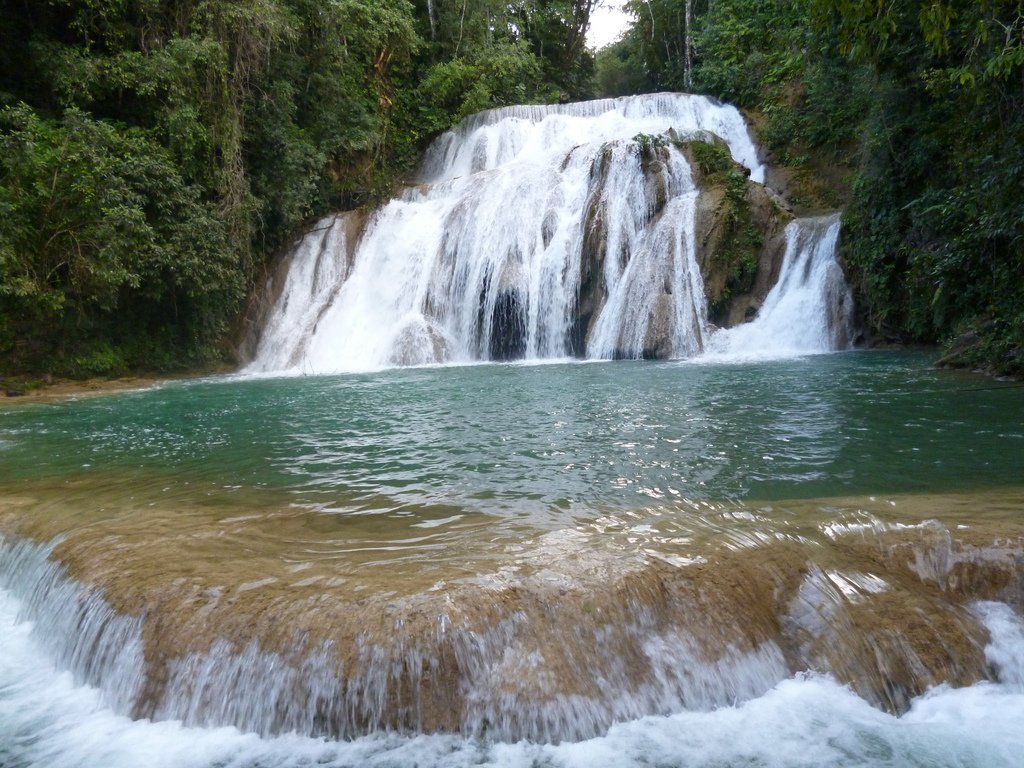
Reserva Científica La Salcedoa
La Salcedoa Scientific Reserve: A natural treasure in the Hermanas Mirabal province The La Salcedoa Scientific Reserve is a protected area located in the Hermanas Mirabal province, in the Dominican Republic. It is a place of great natural beauty, with rich biodiversity and great importance for environmental conservation. What makes the La Salcedoa Scientific Reserve so special? • Unique ecosystems: The reserve is home to a wide variety of ecosystems, including cloud forests, broadleaf forests, rivers and streams. • Biodiversity: The reserve is home to a large number of plant and animal species, many of which are endemic to the Dominican Republic. • Importance for water: The reserve is an important source of water for local communities. • Scientific research: The reserve is an important place for scientific research, as it is home to a large number of plant and animal species that have not yet been thoroughly studied. • Recreation: The reserve is an ideal place for hiking, camping and bird watching. What can you see and do in the La Salcedoa Scientific Reserve? • Hiking: There are several walking trails in the reserve, offering different levels of difficulty and allowing visitors to explore the different ecosystems in the area. • Camping: There are some camping sites in the reserve, allowing visitors to spend the night and enjoy the tranquility of the place. • Bird watching: The reserve is an ideal place for bird watching, as it is home to a large number of species, including several that are endemic to the Dominican Republic. • Scientific research: If you are a scientific researcher, you can apply for a permit to conduct research in the reserve. Additional Information: • Location: The La Salcedoa Scientific Reserve is located in the Hermanas Mirabal province, about 15 kilometers from the city of Salcedo. • Hours: The reserve is open every day, from 8:00 a.m. to 5:00 p.m. to 5:00 p.m. • Entrance price: RD$50 per person. • How to get there: You can reach the reserve by car, bus or motoconcho. • Where to stay: There are several accommodation options in Salcedo, from hotels and cabins to hostels and guest houses. • What to eat: In Salcedo you can enjoy the rich Dominican cuisine in restaurants and local establishments that offer typical dishes. Tips for visiting the La Salcedoa Scientific Reserve: • Wear comfortable clothes and shoes: If you plan to go hiking, make sure you wear comfortable clothes and shoes. • Use sunscreen and insect repellent: The sun can be strong in the Dominican Republic, so be sure to use sunscreen and insect repellent. • Drink plenty of water: It is important to stay hydrated, especially if you are going to do outdoor activities. • Respect the environment: Do not litter and leave the area as you found it. • Follow the reserve rules: It is important to follow the reserve rules to protect the environment and ensure the safety of visitors. The La Salcedoa Scientific Reserve is a unique and special place that is worth visiting. It is an ideal place to enjoy nature, learn about the importance of environmental conservation and live an unforgettable experience.

PALO DE LA JAIBA
Palo de la Jaiba Waterfall, also known as Charco La Jaiba, is a hidden natural treasure in the Hermanas Mirabal province of the Dominican Republic. Located in the municipality of Salcedo, this waterfall offers an oasis of freshness and beauty in the middle of a lush mountainous landscape. What makes Palo de la Jaiba Waterfall so special? • Its natural beauty: The waterfall falls from a considerable height, forming a natural pool of crystal clear and refreshing water. The environment is surrounded by rich vegetation and leafy trees that create a calm and relaxing environment. • Its location: The waterfall is located in a rural area, away from the hustle and bustle of the city, which makes it an ideal place to escape stress and enjoy nature in its purest form. • Its accessibility: You can reach the waterfall by car or motoconcho, and the road is relatively short and easy to travel. • Your activities: In addition to swimming in the natural pool, visitors can enjoy hiking, picnicking and bird watching. How to get to the Palo de la Jaiba Waterfall? The Palo de la Jaiba Waterfall is located about 12 kilometers from Salcedo. You can get there by car or motoconcho. You must take the road that leads to Los Saltos de Jima and follow the signs to the waterfall. Where to stay near the Palo de la Jaiba Waterfall? There are several accommodation options in Salcedo, from hotels and cabins to hostels and guest houses. Tips for visiting the Palo de la Jaiba Waterfall: • Wear comfortable clothes and shoes: If you plan to hike or explore the area, be sure to wear comfortable clothes and shoes. • Use sunscreen and insect repellent: The sun can be strong in the Dominican Republic, so be sure to use sunscreen and insect repellent. • Drink plenty of water: It is important to stay hydrated, especially if you are going to do outdoor activities. • Respect the environment: Do not litter and leave the area as you found it. • Follow the waterfall rules: There are some rules you must follow to protect the waterfall and the environment, such as not using soap or shampoo in the natural pool and not leaving food or garbage in the area. Please note that I have not been able to find much specific information about Palo de la Jaiba Waterfall, as it is a relatively little-known place. However, I hope that the information I have provided helps you plan your visit.

Cascada de Las Golondrinas
Las Golondrinas Waterfall is an impressive waterfall located in the community of Las Tres Cruces, in the Hermanas Mirabal province of the Dominican Republic. It is located in the middle of a lush tropical forest and offers an oasis of freshness and beauty in a unique natural environment. What makes Las Golondrinas Waterfall so special? • Its natural beauty: The waterfall falls from a height of approximately 30 meters, forming a natural pool of crystal clear and refreshing water. The environment is surrounded by rich vegetation and leafy trees that create a calm and relaxing environment. • Its location: The waterfall is located in a rural area, away from the hustle and bustle of the city, which makes it an ideal place to escape stress and enjoy nature in its purest form. • Its accessibility: You can reach the waterfall by car, motoconcho or walking. The path is a little steep, but the reward is worth it. • Your activities: In addition to swimming in the natural pool, visitors can enjoy hiking, picnicking and bird watching. How to get to Las Golondrinas Waterfall? The Las Golondrinas Waterfall is located about 15 kilometers from Salcedo, the capital of the Hermanas Mirabal province. You can get there by car, motoconcho or walking. If you go by car, take the road that leads to Las Tres Cruces and follow the signs to the waterfall. If you go by motoconcho or walking, you can ask the locals for the direction. Where to stay near Las Golondrinas Waterfall? There are several accommodation options in Salcedo, from hotels and cabins to hostels and guest houses. There are also some accommodations available in Las Tres Cruces. Tips for visiting Las Golondrinas Waterfall: • Wear comfortable clothes and shoes: If you plan to hike or explore the area, be sure to wear comfortable clothes and shoes. • Use sunscreen and insect repellent: The sun can be strong in the Dominican Republic, so be sure to use sunscreen and insect repellent. • Drink plenty of water: It is important to stay hydrated, especially if you are going to do outdoor activities. • Respect the environment: Do not litter and leave the area as you found it. • Follow the waterfall rules: There are some rules you must follow to protect the waterfall and the environment, such as not using soap or shampoo in the natural pool and not leaving food or garbage in the area. Las Golondrinas Waterfall is an ideal place for nature lovers and for those looking for an authentic and relaxing experience in the Dominican Republic. If you are looking for a place to disconnect and enjoy the natural beauty of the country, Las Golondrinas Waterfall is an excellent option.
Río Jayaco
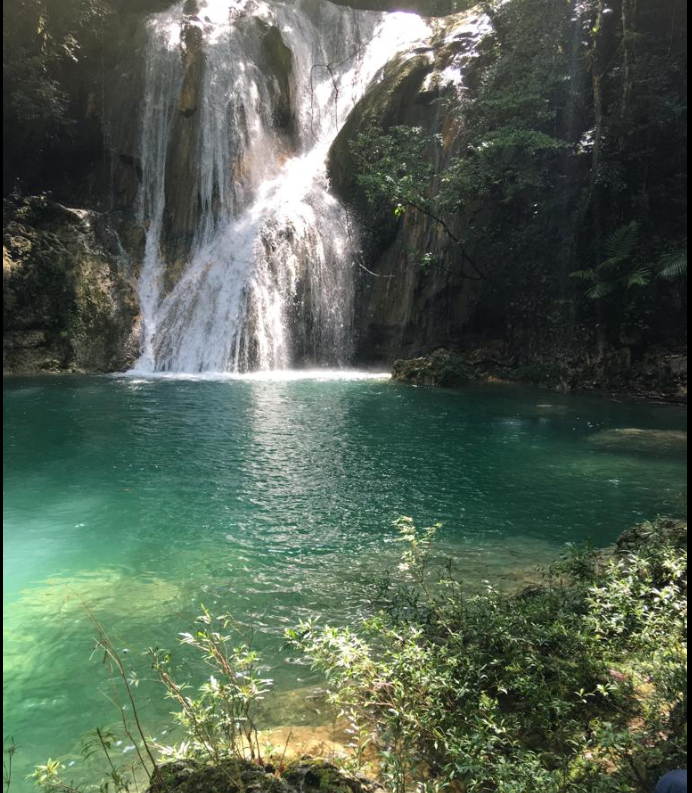
The Llano de Germán River, also known as the Jayaco River, is located in the Hermanas Mirabal province, Dominican Republic. This river, although not as well known as others in the region, offers a natural charm and tranquil beauty that make it an attractive destination for nature and adventure lovers. What makes the Río Llano de Germán special? • Natural landscape: The river meanders through a lush tropical forest, creating a calm and relaxing environment. The crystal clear waters and the rich vegetation that surrounds it invite you to contemplate and connect with nature. • Activities: The Llano de Germán River is ideal for swimming, especially in its natural pools, where you can cool off in a unique natural environment. You can also go hiking along its banks, enjoying the songs of the birds and the beauty of the landscape. • Adventure: If you are looking for stronger emotions, you can go rafting or kayaking on the river. The moderate rapids offer an exciting challenge for those looking for a more adrenaline-pumping experience. • Peace and tranquility: Away from the hustle and bustle of the cities, the Río Llano de Germán offers an ideal refuge to escape from stress and daily routine. The sound of flowing water and the stillness of the surroundings will allow you to relax and connect with yourself. How to get to the Llano de Germán River? The Río Llano de Germán is located about 15 kilometers from Salcedo, the capital of the Hermanas Mirabal province. You can get there by car or motoconcho, following the signs to the community of Llano de Germán. The road is dirt, but passable by normal vehicle. Where to stay near the Río Llano de Germán? In the community of Llano de Germán there are some accommodation options, such as guest houses and cabins. You can also find options in Salcedo, further away from the river but with a greater variety of services. Tips for visiting the Río Llano de Germán: • Wear comfortable clothing and shoes: If you plan to do activities such as hiking or swimming, be sure to wear appropriate clothing and footwear. • Use sunscreen and insect repellent: The sun can be strong in the Dominican Republic, so it is important to protect yourself from the sun and mosquitoes. • Bring water and snacks: There are no restaurants or stores near the river, so it is important to bring water and snacks to stay hydrated and energized. • Respect the environment: Do not litter and leave the place as you found it. • Follow safety rules: If you are going to do activities such as rafting or kayaking, make sure you follow safety rules and use the proper equipment.

Humedales y Santuario de aves Laguna grigrí
Gri-Gri Lagoon Wetlands and Bird Sanctuary: A paradise for nature lovers Gri-Gri Lagoon, located in the municipality of Río San Juan in the María Trinidad Sánchez province of the Dominican Republic, is a natural treasure that captivates visitors with its pristine beauty, rich biodiversity, and tranquil environment. Declared a protected area in 1996, the lagoon is home to a wide variety of flora and fauna, including mangroves, waterfowl, fish and reptiles. A refuge for bird lovers: The Laguna Gri-Gri Bird Sanctuary is a bird watcher's paradise as it is home to more than 130 species of birds, including pelicans, herons, flamingos and parrots. Visitors can take boat tours of the lagoon to observe the birds in their natural habitat, or walk the trails surrounding the lagoon to listen to their songs. A unique ecosystem: The Gri-Gri Lagoon wetlands are a vital ecosystem for the region. Mangroves act as natural barriers against storms and coastal erosion, and also provide habitat for a wide variety of marine life. The lagoon is also an important source of fresh water for the local community. A place for education and research: Gri-Gri Lagoon is an important place for environmental education and research. The Dominican Ecological Foundation (FEDO) manages a visitor center that offers information about the lagoon and its ecosystem. There are also several educational programs available for students and interest groups. Information for tourists: • Location: Municipality of Río San Juan, María Trinidad Sánchez province, Dominican Republic • How to get there: You can get to Laguna Gri-Gri by your own vehicle or by public transportation. From Santo Domingo, the trip takes approximately 2 hours and 30 minutes. • What to do: Bird watching, boating, hiking, swimming, sunbathing. • Services: There are several restaurants, bars and souvenir shops located in the area. • Tips: Bring comfortable clothing, a swimsuit, sunscreen, hat, insect repellent and cash. • Hours: The lagoon is open to the public from Monday to Sunday from 8:00 AM to 5:00 PM. The Laguna Gri-Gri Wetlands and Bird Sanctuary is an ideal destination for those looking to enjoy the natural beauty of the Dominican Republic in a peaceful and relaxing environment. Its rich biodiversity, outdoor activities and easy access make it a perfect option for families, couples and groups of friends.
The best Tourist sites In Hermanas Mirabal
Hermanas Mirabal, formerly known as Salcedo, is a province located in the north of the Dominican Republic, known for its rich history and impressive natural environment. This region, named in honor of the Dominican heroines known as the Mirabal Sisters, offers visitors a unique experience that combines culture, nature and Dominican authenticity.
History and legacy: Immerse yourself in the history of the Dominican Republic's fight for freedom and democracy by visiting the Monument to the Mirabal Sisters in the city of Salcedo. This monument commemorates the life and legacy of the Patria sisters, Minerva and María Teresa Mirabal, political activists who bravely fought against Rafael Trujillo's dictatorship in the 1960s. Additionally, you can visit the Hermanas Mirabal Museum to learn more about their history and legacy.
Lush nature: Discover the natural beauty of Hermanas Mirabal by exploring its mountainous landscapes, rivers and waterfalls. Visit the Loma Quita Espuela Scientific Reserve, where you can hike through dense tropical forests, watch birds, and marvel at the region's diverse flora and fauna. Also, don't miss the opportunity to cool off in the crystal-clear waters of the El Saltadero Waterfall, an impressive waterfall located in the province.
Culture and tradition: Immerse yourself in the rich Dominican culture by exploring the towns and communities of Hermanas Mirabal. Visit the city of Salcedo to experience daily Dominican life, explore local markets, and enjoy delicious Dominican cuisine. Additionally, you can participate in festivals and cultural events that celebrate music, dance, and local traditions.