
Tourist sites In Puerto Plata
76 results · 6 / 8
Use your location? We will centre the map on you and show how far away each place is.

La Rejoya
La Rejoya: A Hidden Paradise in the Heart of Puerto Plata La Rejoya is a natural treasure of the Dominican Republic, located in the lush province of Puerto Plata. This set of waterfalls, natural pools and trails, sculpted by nature over millions of years, offers visitors a unique experience, combining the adventure of exploration with the serenity of a pristine natural environment. A Natural Refuge for the Soul La Rejoya is much more than a simple waterfall. It is a complete ecosystem, home to rich biodiversity, including a variety of flora and fauna species. Its surroundings, characterized by lush tropical vegetation, invite you to relax and connect with nature. What makes La Rejoya special? • Scenic beauty: The waterfalls, with their crystal clear water and surrounded by vegetation, create a dream landscape that changes with the seasons. • Adventure: The trails leading to the waterfalls offer a moderate hiking experience, ideal for those looking for a bit of adventure. • Tranquility: Far from the hustle and bustle of the city, it is the perfect place to escape stress and enjoy nature in its purest state. • Ecological value: The area is an important biological corridor, home to various species of birds and animals. What can you do in La Rejoya? • Hiking: Explore the trails that lead to the different waterfalls and natural pools. • Swim in the crystal clear waters: Refreshing bath in the natural pools formed by the waterfalls. • Jumping: Some visitors enjoy jumping from the highest waterfalls (with caution and always under supervision). • Photography: Capture unique images of the natural beauty of La Rejoya. • Bird watching: The area is a paradise for lovers of bird watching, thanks to its rich biodiversity. Tips for your visit • Best time to visit: The dry season (December to April) is usually the most recommended, since rain can increase the flow of water and make the trails more slippery. • Preparation: Bring swimwear, a towel, sunscreen, insect repellent, comfortable walking shoes, snacks, water and a camera. • Safety: Always follow the instructions of local guides and avoid swimming in areas where the current is strong. • Respect for the environment: Do not throw garbage and avoid damaging the flora and fauna of the place.

Museo Taino Cesar Estrella
César Estrella Taíno Museum: A Journey to the Indigenous Past Located in Guananico, Puerto Plata, this museum, founded by Dr. César Estrella Bruzzo, is a tribute to the Taíno culture. In its rooms, you can find a rich collection of artifacts and everyday objects that will allow you to better understand the life and customs of this ancestral people. What will you find at the César Estrella Taíno Museum? • Archaeological collection: Admire a wide variety of Taíno objects such as ceramics, tools, personal ornaments and bone remains. • Fossil gallery: Discover marine fossils, including teeth from the megalodon shark, an extinct giant that inhabited the seas of the Dominican Republic. • Exhibition on daily life: Learn about the homes, agriculture, religion and beliefs of the Taíno. • Personal objects: Explore the collection of personal objects of Dr. César Estrella Bruzzo, a passionate archeologist. Why visit the César Estrella Taino Museum? • Know the history: Immerse yourself in the history of the Taínos and understand their importance in Dominican culture. • Appreciate the Taíno artifact: Admire the beauty and complexity of the objects created by these artisans. • Support local culture: Contribute to the preservation of Dominican cultural heritage. • An educational experience: Ideal for families and students interested in history and archaeology. Tips for your visit • Hours: I recommend checking the visiting hours before going, as they may vary. • Guide: Request a guide to obtain a more detailed explanation of each piece and the Taíno culture. • Photography: Capture unforgettable moments of your visit, but remember to respect the museum's rules. • Donations: If you wish, you can make a donation to support the museum's conservation. Nearby attractions • Guananico: Explore the picturesque town of Guananico, where the museum is located. • Puerto Plata Beaches: Relax on the beautiful beaches of Puerto Plata, such as Sosúa and Cabarete. • Loma Isabel de Torres: Enjoy a panoramic view of the city from the top of this mountain.
Playa Punta Rucia
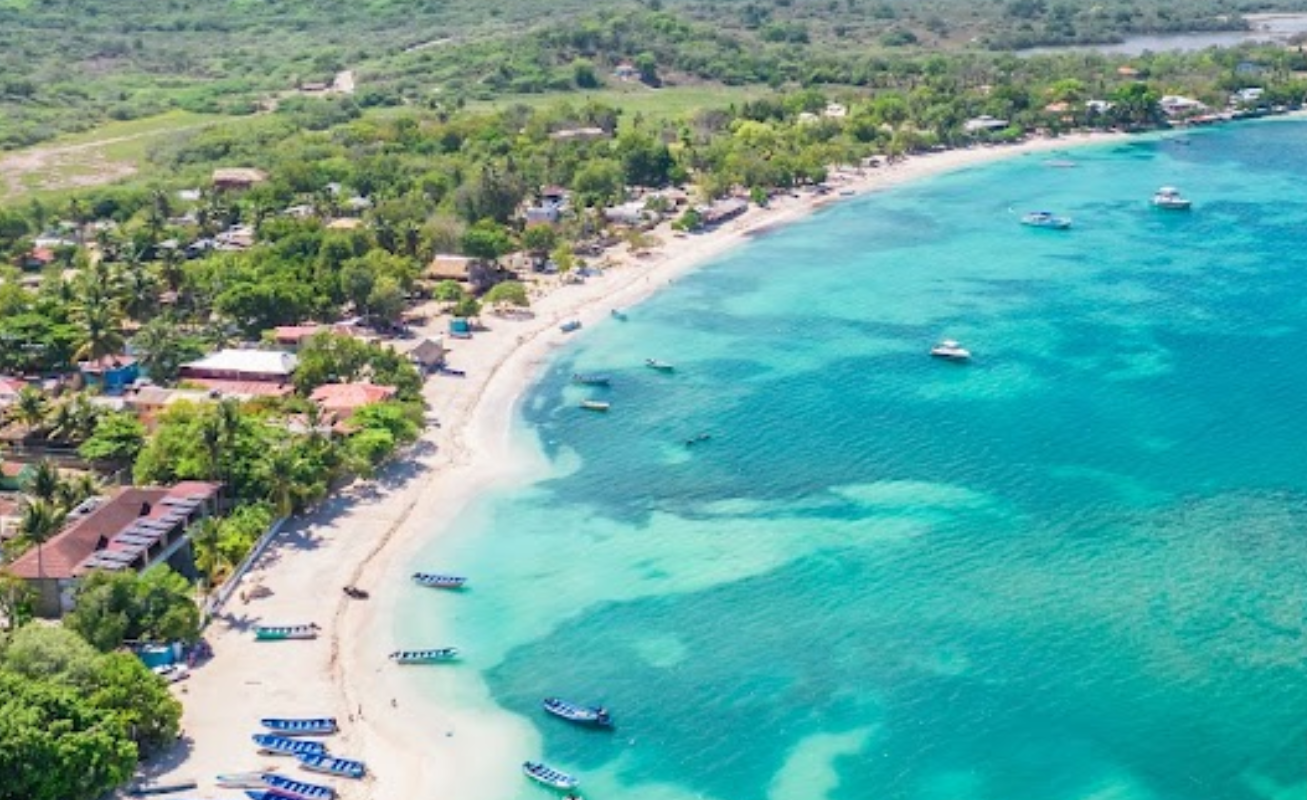
Punta Rucia Beach: A Haven of Tranquility in Puerto Plata Punta Rucia Beach is a small coastal community that has managed to preserve its original charm. Its white sand beaches and crystal clear waters are the perfect setting for relaxing, swimming, diving or simply enjoying the sun. What makes Punta Rucia special? • Tranquility and privacy: Far from the large resorts, Punta Rucia offers a quieter and more authentic environment. • Marine life: The waters surrounding Punta Rucia are rich in marine life, making it an ideal destination for diving and snorkeling. • Fishing village: Explore the picturesque fishing village and learn about its culture and traditions. What can you do in Punta Rucia? • Relax on the beach: Enjoy the sun, sea and sand on the beaches of Punta Rucia. • Visit Cayo Arena: Take an excursion to Cayo Arena and swim in its crystal clear waters. • Dive and snorkel: Explore the coral reefs and discover the rich marine life. • Fishing: Hire a local guide and enjoy a day of fishing. • Kayak: Explore the coast by kayak and discover hidden coves and caves. • Bird watching: In the nearby mangroves you can observe a wide variety of birds. Tips for your visit • Best time to visit: The dry season, from December to April, is the most recommended to enjoy the beaches and water activities. • How to get there: You can get to Punta Rucia by car from Puerto Plata or hire an excursion. • Accommodation: Find a wide variety of accommodation options, from boutique hotels to cabins and villas. • Local transportation: Hire a local guide or taxi to explore the surrounding area. • Respect for the environment: Help preserve the natural beauty of Punta Rucia by avoiding leaving garbage and respecting the flora and fauna.
Playa La Ensenada
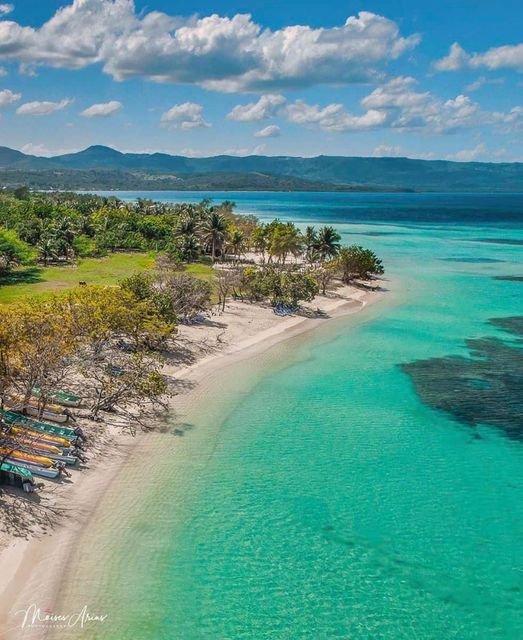
La Ensenada Beach: A Coastal Retreat in Puerto Plata La Ensenada is a hidden gem on the northern coast of the Dominican Republic, in the province of Puerto Plata. This beach, characterized by its crystal-clear waters and white sand, offers a calm and relaxed atmosphere, ideal for those looking to escape the hustle and bustle and connect with nature. A Paradise for the Senses La Ensenada is much more than just a beach. It is a coastal ecosystem that combines the natural beauty of its landscapes with the tranquility of a rural environment. Its shallow and calm waters are perfect for swimming, diving and water sports. The soft white sand invites you to sunbathe and relax, while the sea breeze provides a refreshing relief from the heat. What makes Playa La Ensenada special? • Tranquility and privacy: Far from the busiest tourist areas, La Ensenada offers an intimate and relaxed atmosphere. • Natural beauty: Its crystal clear waters, white sand and lush vegetation create an idyllic landscape. • Water activities: Ideal for snorkeling, kayaking, paddleboarding and other water sports. • Local cuisine: Enjoy delicious Dominican food in restaurants near the beach. What can you do in Playa La Ensenada? • Swim and sunbathe: Relax on the white sand and enjoy a refreshing swim in the sea. • Snorkeling: Explore the seabed and discover the rich marine life. • Kayak and paddleboard: Rent a kayak or paddleboard and explore the coast from a different perspective. • Fishing: If you are passionate about fishing, you can rent a boat and enjoy a day of fishing on the high seas. • Horseback riding: Explore the surroundings of the beach on horseback. Tips for your visit • Best time to visit: The dry season, from December to April, is the most recommended to enjoy the beaches. • How to get there: You can get to Playa La Ensenada by car from Puerto Plata or hire an excursion. • What to bring: Sunscreen, hat, sunglasses, towel, swimsuit, cash and a camera to capture the best moments. • Safety: Always pay attention to the safety flags and do not stray too far from the shore.

Playa Aya
Aya Beach: A Recent Discovery in Puerto Plata Playa Aya is a relatively new find on the coast of Puerto Plata. Emerging naturally in recent years, this beach has captivated locals and tourists with its unspoiled beauty and unique environment. What makes Playa Aya special? • Natural formation: Its recent origin makes it a geological wonder, formed by the natural erosion of the cliffs. • Imposing cliff: The beach is located at the foot of an impressive cliff that offers spectacular panoramic views. • Tranquility and privacy: Being a relatively new and less known beach, it offers a quiet environment away from the tourist bustle. • Virgin nature: The natural beauty of Playa Aya is undeniable, with crystal clear waters and soft sand. What can you do in Playa Aya? • Relax and sunbathe: Enjoy the sun on the soft sand and cool off in the crystal clear waters. • Exploration: Explore the surroundings of the beach and discover the rock formations on the cliff. • Photography: Capture unforgettable images of the natural beauty of Playa Aya. • Snorkeling: If conditions permit, you can snorkel and explore marine life. Tips for your visit • Access: Access to Playa Aya can be a little more complicated than other more developed beaches, so it is recommended to be well informed about the exact location and road conditions. • Safety: As it is a less frequented beach, it is important to take precautions and avoid swimming in areas where the waves are strong. • Respect for the environment: Help preserve the natural beauty of Playa Aya by avoiding leaving trash and respecting the flora and fauna.
Santuario de Mamíferos Marinos de Estero Hondo
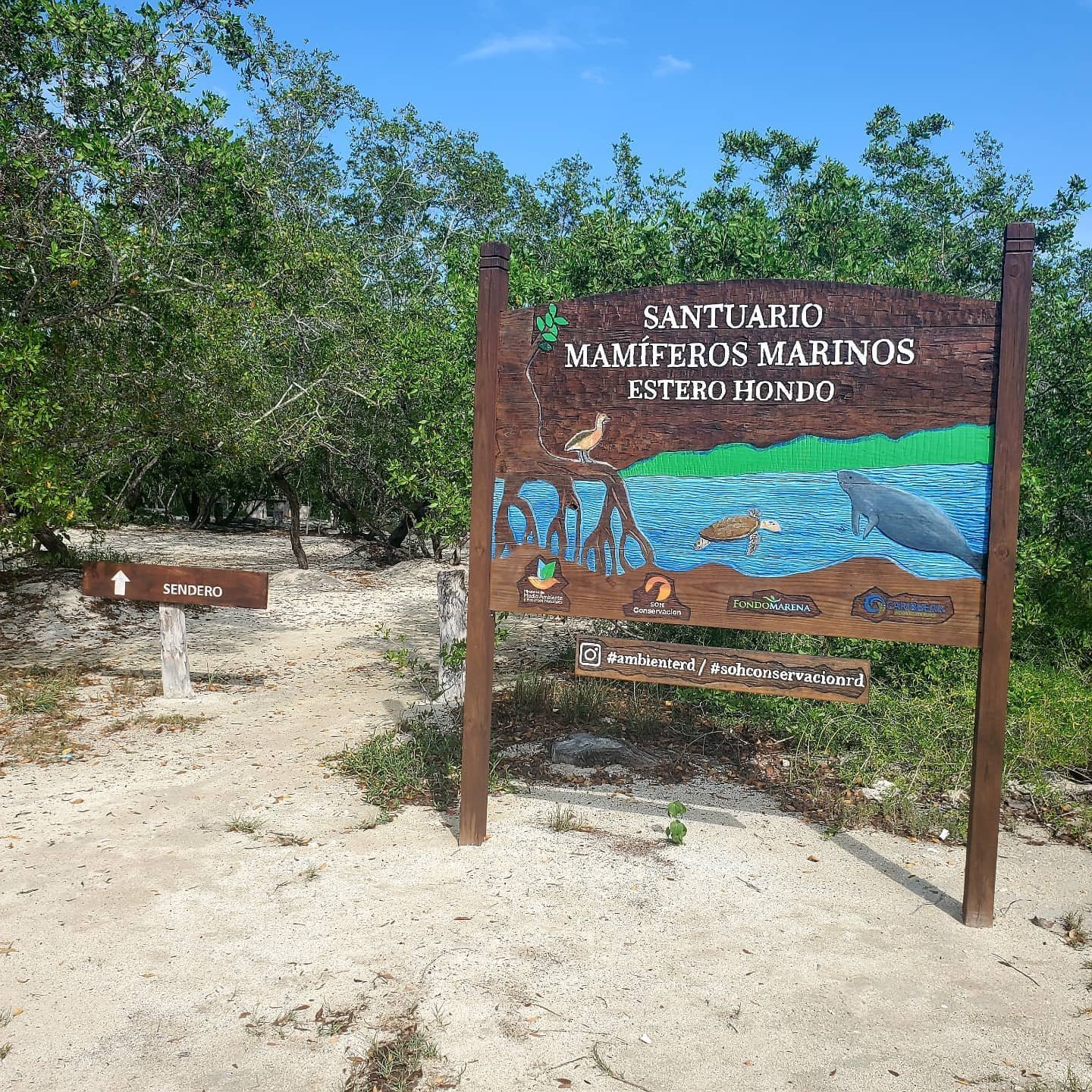
Estero Hondo Marine Mammal Sanctuary: A Protected Marine Ecosystem of Global Importance The Estero Hondo Marine Mammal Sanctuary, located in the province of Puerto Plata, Dominican Republic, constitutes a protected area of international relevance due to its rich biodiversity and its crucial role in the conservation of the Antillean manatee (Trichechus manatus), an endangered species. of extinction. With an area of 48.36 square kilometers, this sanctuary encompasses a vast expanse of mangroves, canals and coastal waters, offering an ideal habitat for various marine and terrestrial species. Ecological Importance and Conservation This coastal ecosystem plays a critical role in regulating coastal ecological processes, such as protecting against coastal erosion, stabilizing sediments, and providing essential ecosystem services. Mangroves, in particular, act as nurseries for numerous marine species and provide refuge for migratory birds. The presence of the Antillean manatee in the sanctuary makes it a site of great importance for the conservation of this emblematic species. Conservation efforts focus on habitat protection, anti-poaching surveillance, and environmental education of local communities. Sustainable Tourist Experiences The sanctuary offers a variety of sustainable tourism activities that allow visitors to appreciate the natural beauty of the place and contribute to its conservation: • Manatee viewing: Through viewing platforms and guided kayak tours, visitors can appreciate these peaceful giants in their natural habitat. • Interpretive hiking: Signposted trails allow you to explore the mangroves and learn about the flora and fauna of the place. • Environmental education: The visitor center offers educational programs and workshops to raise awareness about the importance of marine conservation. • Volunteering: Visitors can participate in volunteer activities to contribute to the protection of the sanctuary. Recommendations for the Visit • Ideal season: The dry season, from December to April, is the most recommended to visit the sanctuary due to the favorable weather conditions for observing fauna. • Necessary equipment: Binoculars, camera, insect repellent, hat, sunscreen and comfortable shoes. • Local guides: It is recommended to hire the services of a local guide to obtain detailed information about the sanctuary and maximize the experience. • Respect for the environment: It is essential to respect the sanctuary's rules, keep the trails clean and avoid disturbing the fauna. The Estero Hondo Marine Mammal Sanctuary represents an example of how biodiversity conservation can coexist with sustainable tourism development. By visiting this sanctuary, tourists not only enjoy a unique experience in contact with nature, but also contribute to the protection of one of the most important ecosystems in the Dominican Republic.
Observatorio de Manatíes en Estero Hondo
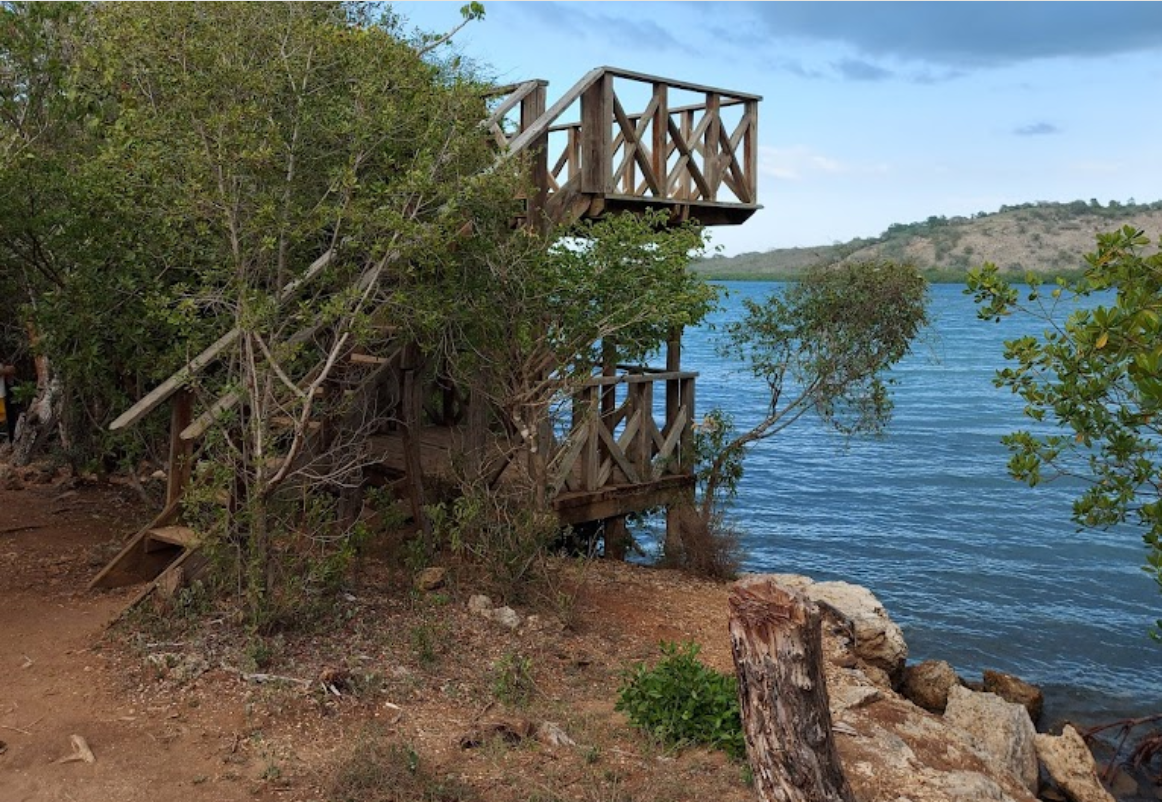
Manatee Observatory in Estero Hondo: An Encounter with Marine Giants The Manatee Observatory is located within the Estero Hondo Marine Mammal Sanctuary, a protected area of great ecological importance where the Antillean manatees, an endangered species, live. This sanctuary offers a unique opportunity to observe these majestic animals in their natural habitat and learn about their importance to the ecosystem. What makes the Manatee Observatory special? • Direct observation: From elevated platforms, you can observe the manatees while they feed and rest in the calm waters of the sanctuary. • Environmental education: Specialized guides will provide you with detailed information about manatees, their behavior and the importance of their conservation. • Natural landscape: The sanctuary has impressive natural beauty, with mangroves, canals and rich biodiversity. • Commitment to conservation: By visiting the observatory, you contribute to the protection of these animals and their habitat. What can you do at the observatory? • Manatee viewing: The main activity is to observe the manatees from the elevated platforms. • Hiking: Explore the interpretive trails and discover the flora and fauna of the sanctuary. • Kayak: Kayak through the mangrove channels and enjoy nature. • Environmental education: Participate in educational programs and learn about the importance of conserving marine ecosystems. Tips for your visit • Best time: The dry season, from December to April, is the most recommended to visit the observatory due to the favorable weather conditions and the greater probability of seeing manatees. • What to bring: Binoculars, camera, insect repellent, hat, sunscreen and water. • Local guides: Hire the services of a local guide to obtain as much information about the manatees and the sanctuary. • Respect for the environment: Avoid making noise, do not throw garbage and respect the signage of the place.
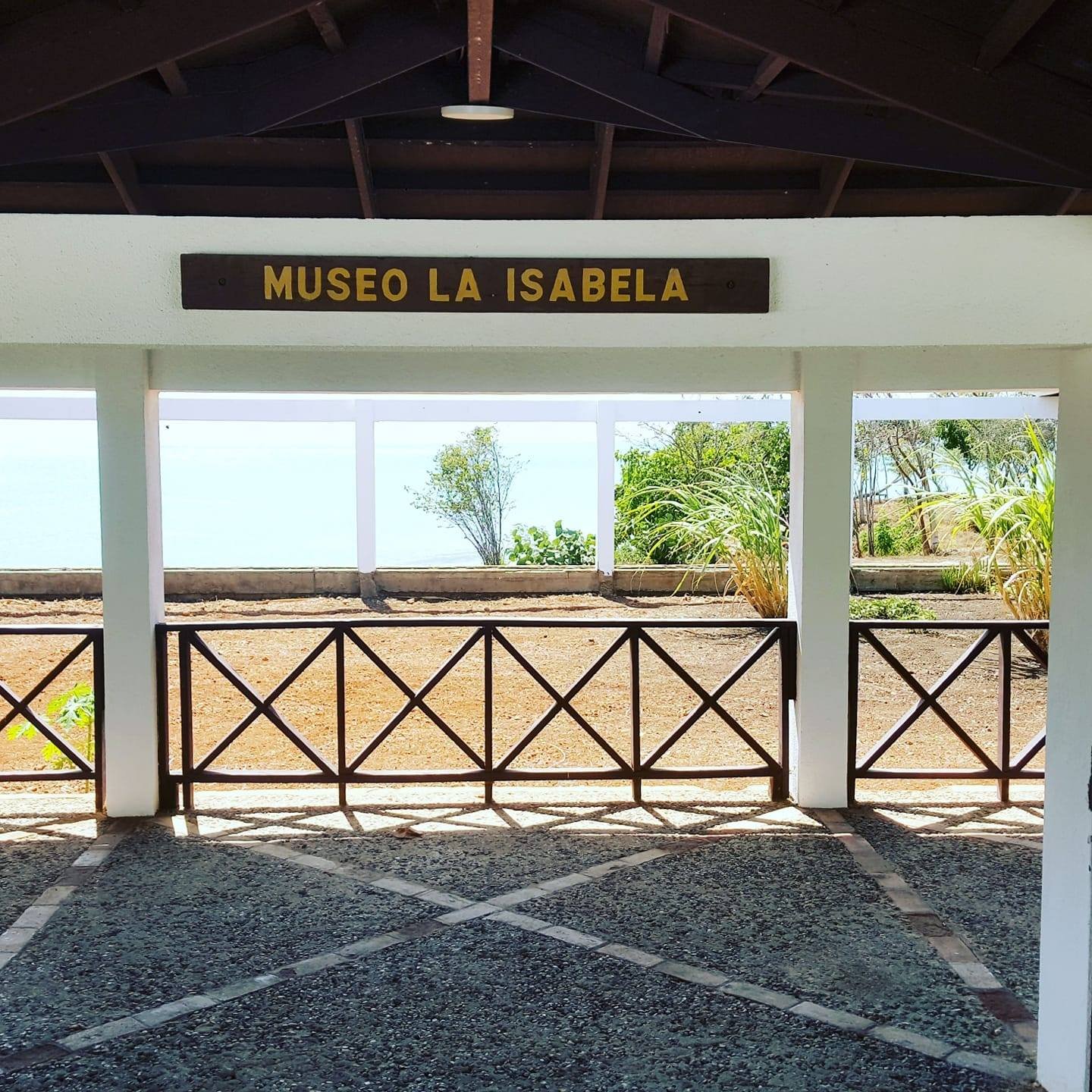
Museo Histórico y Arqueológico La Isabela
La Isabela Historical and Archaeological Museum: A Living Testimony of the Origins of America The La Isabela Historical and Archaeological Museum, located in the La Isabela National Historical and Archaeological Park, in the province of Puerto Plata, Dominican Republic, constitutes an indisputable reference for the study of the colonial history of America. This archaeological site, declared a World Heritage Site by UNESCO, houses the vestiges of the first European settlement in the New World, founded by Christopher Columbus in 1494. A Journey to the Birth of a New Era A visit to the La Isabela Historical and Archaeological Museum is a journey through time that allows visitors to immerse themselves in the daily life of the first European settlers in America. Through meticulous archaeological excavations and a careful restoration process, valuable artifacts and structures have been recovered that offer a unique insight into this crucial period in history. Unforgettable Experiences The museum offers a variety of experiences for visitors: • Guided tour: Expert guides lead visitors through the settlement ruins, explaining the importance of each structure and artifact. • Interactive exhibitions: Through information panels, models and multimedia exhibits, visitors can better understand the social, economic and cultural aspects of life in La Isabela. • Restoration Laboratory: In this space, visitors can observe how archaeologists work to preserve the discovered artifacts. • Educational activities: The museum offers a wide range of educational activities, such as workshops, lectures and children's programs, that encourage interest in history and archaeology. A Cultural Legacy of Universal Value La Isabela represents a fundamental milestone in the history of humanity. The museum, by preserving and disseminating this legacy, contributes to the understanding of the historical processes that shaped the world we know today. Tips for your Visit • Best time: The dry season, from December to April, is the most recommended to visit the museum, since the climate is more pleasant and the conditions for taking the tour are optimal. • What to bring: Camera, hat, sunscreen, water and comfortable walking shoes. • Advance reservation: Advance reservation is recommended, especially for large groups or during peak season. • Respect for heritage: Visitors must respect museum rules and avoid touching artifacts. In summary The La Isabela Historical and Archaeological Museum is much more than a simple archaeological site. It is a place where history comes to life and where visitors can connect with the past and better understand the present. If you are interested in history, archeology or simply knowing the origins of America, you cannot miss this unique experience.

Parque Historico La Isabela
La Isabela Historical Park: A Journey to the Birth of a New World The La Isabela Historical Park, located in the province of Puerto Plata, Dominican Republic, is an archaeological site of inestimable historical value. Founded by Christopher Columbus in 1494, this was the first European settlement in the Americas. Today, it is an open-air museum that allows you to immerse yourself in the life of the first settlers and understand the origins of our region. What makes this park special? • First European settlement: La Isabela was the first European settlement in America, and the park allows you to explore the vestiges of this important historical period. • Archaeological excavations: Through archaeological excavations, valuable artifacts and structures have been discovered that offer insight into the daily life of the early settlers. • Natural landscape: The park is surrounded by impressive natural beauty, with views of the Caribbean Sea and rich biodiversity. • World Heritage: La Isabela has been declared a World Heritage Site by UNESCO, which highlights its importance worldwide. What can you do in the park? • Ruins Tour: Explore the ruins of ancient buildings, such as Columbus's house, church, and settler homes. • Visit to the museum: See the artifacts discovered in the excavations and learn about the daily life of the first settlers. • Hiking: Take walks along the interpretive trails and enjoy nature. • Educational activities: Participate in educational activities and workshops that will allow you to better understand the history and culture of the time. • Bird watching: The park is a habitat for various species of birds, so you can enjoy bird watching. Tips for your visit • Best time: The dry season, from December to April, is the most recommended to visit the park, since the climate is more pleasant. • What to bring: Camera, hat, sunscreen, water, comfortable walking shoes and insect repellent. • Local guides: Hire the services of a local guide for a more detailed explanation of the history and importance of the site. • Respect for the environment: Avoid touching the artifacts and follow the guides' instructions.

Playa Punta Devora
Punta Devora Beach is a hidden treasure on the northern coast of the Dominican Republic, in the province of Puerto Plata. Although it is not as well-known as other beaches in the area, it offers unique natural beauty and a quieter experience. What makes Playa Punta Devora special? • Crystal clear waters: Its waters are intense turquoise and extremely clear, perfect for swimming, diving or simply relaxing. • Soft sand: The beach has soft, golden sand that invites you to walk barefoot and enjoy the sun. • Rocky landscape: Around the beach you will find rock formations that give it a wild and romantic touch. • Tranquility: Being a less crowded beach, you can enjoy a calm and relaxed atmosphere, away from the crowds. Activities you can do: • Swimming: The warm, crystal-clear waters are ideal for swimming and cooling off. • Diving: Explore the seabed and discover the rich marine life that lives in this area. • Snorkeling: If you prefer a simpler option, snorkeling will allow you to observe colorful fish and corals. • Sunbathe: Relax on the sand and enjoy the warm Dominican sun. • Hiking: Explore the surroundings and discover the trails that will take you to incredible viewpoints. Tips for your visit: • Best time: The dry season, from December to April, is the most recommended to visit the beach, since the weather conditions are more stable. • What to bring: Sunscreen, hat, sunglasses, towel, water, snacks and walking shoes. • Access: Access to the beach can be a little more complicated than other more touristy beaches, so we recommend asking the locals about the best route. • Respect for the environment: Help keep the beach clean and avoid leaving trash.
Showing 51 to 60 of 76 results
The best Tourist sites In Puerto Plata
Puerto Plata, a province located on the northern coast of the Dominican Republic, is a charming destination that combines stunning tropical landscapes, dream beaches and a rich colonial history. With a unique mix of adventure, relaxation and Caribbean culture, Puerto Plata offers visitors an unforgettable experience.
Paradise beaches: Immerse yourself in the turquoise waters and white sand beaches of Puerto Plata. From the famous Playa Dorada to the tranquil Playa Cabarete, you'll find a variety of options to relax under the Caribbean sun, swim in crystal-clear waters, and enjoy exciting water sports like surfing, kiteboarding, and snorkeling.
Nature Adventures: Embark on exciting adventures exploring the lush nature of Puerto Plata. Visit the Isabel de Torres National Park, where you can hike to the top of the mountain to enjoy stunning panoramic views and explore botanical gardens and caves. Additionally, you can take jeep or horseback excursions to discover hidden waterfalls and crystal-clear rivers.
History and culture: Immerse yourself in the rich history and culture of Puerto Plata by exploring sites such as Fort San Felipe, an ancient Spanish fortress built in the 16th century to protect the city from pirates. Additionally, you can visit the Amber Museum to learn about this valuable fossil resin and its importance in the region.
Dominican gastronomy: Delight yourself with the delicious Dominican cuisine by trying typical dishes such as mofongo, sancocho and fried fish. Explore local restaurants and street food stalls for authentic Caribbean flavors and unique culinary experiences.